


Bradshaw also suggested farmers should be given tax breaks to build water storage systems on their land to prepare for the years ahead.
"We have taken our food supply for granted for far too long," he added.
"Those other countries around the world that we currently rely on to produce our food and vegetables, their climates are changing as well.
"It does feel like there is going be some shortages of [food] products", Bradshaw told Radio 4's Broadcasting House.
In a message to Prime Minister Andy Burnham, he said: "Let's draw a line in the sand and make sure we prioritise domestic food production to deliver growth across the UK."
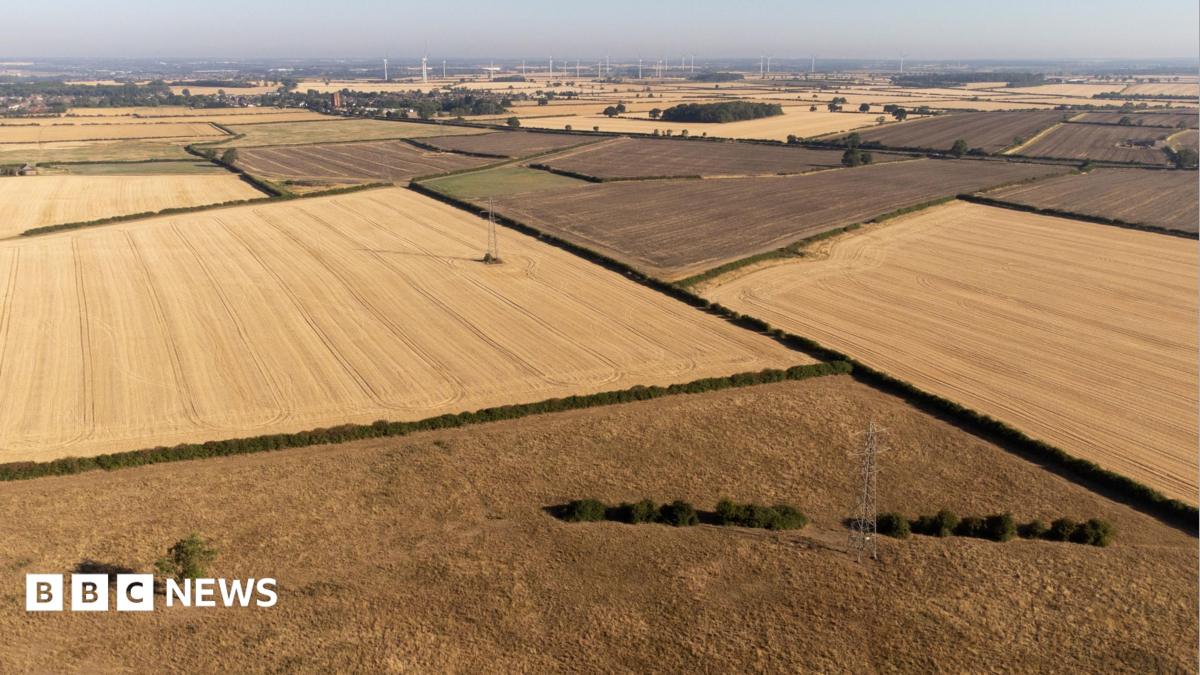
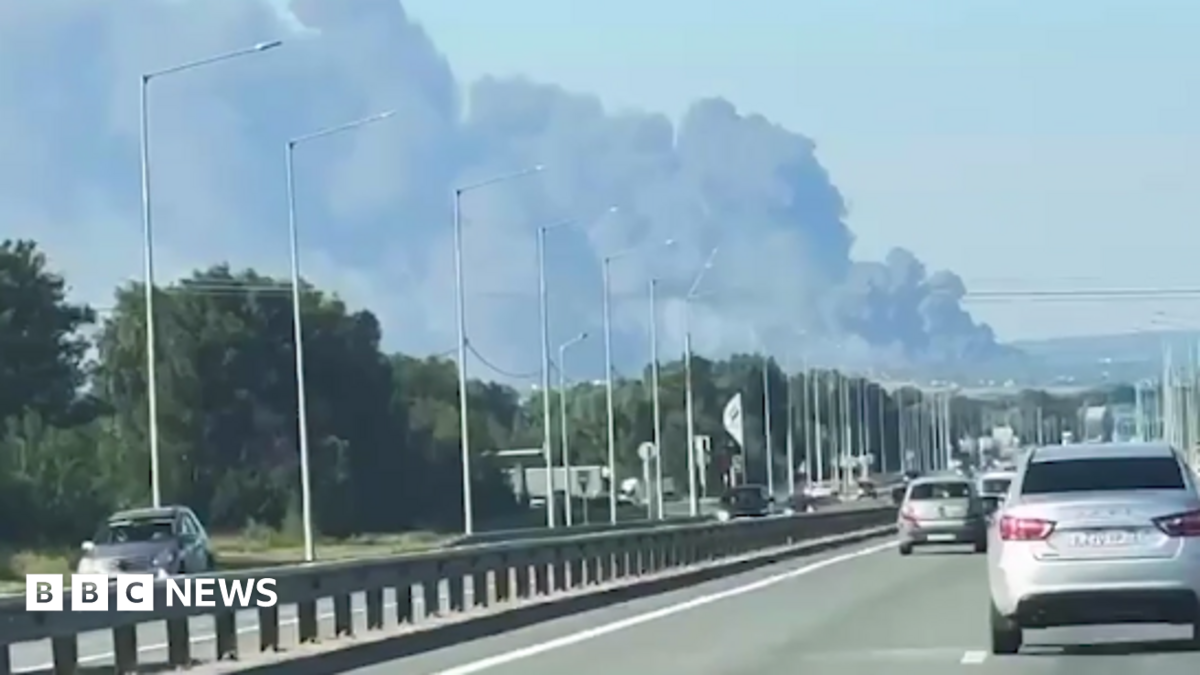
After a wet and mild start to the year, it has been exceptionally dry hot and dry with a succession of heatwaves across the UK.
The combination of low rainfall and prolonged heat has quickly depleted water reserves in soils, vegetation and rivers.
While droughts can occur naturally, climate change is making weather patterns more erratic, and heatwaves more frequent and intense.
Scientists say there is a greater risk of droughts happening as a result, and of them being more severe and longer-lasting when they do.
The Met Office reports that England saw just 5.6mm of rainfall up to 30 July – just 8% of its long-term meteorological average for the month and less than half of the previous record of 13.4mm set in 1911.
For Wales it was 7.9mm of rainfall, also 8% of its long-term average for the month and almost a third of the previous record of 22.6mm, again set in 1911.
Heat health alerts are in place across most of England until at least 09:00 BST on Wednesday.
Amber alerts indicate a rise in deaths of vulnerable people and increased demand on health services are likely, while yellow alerts indicate these are possible.