


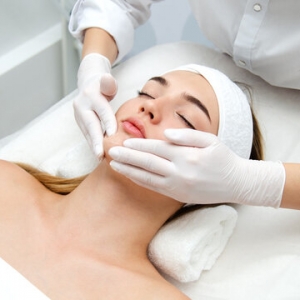
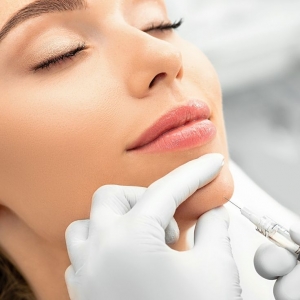





Ultherapy Treatment in Dubai can be considered by people who notice that their skin is becoming looser, softer, or less defined with age. Instead of surgically removing excess skin, this non-invasive approach uses focused ultrasound energy to stimulate collagen activity beneath targeted areas. The resulting changes develop gradually as the skin undergoes its natural remodeling process.
Sagging skin can affect different areas of the face and neck, and the degree of laxity is not the same for everyone. Understanding why skin becomes loose, how ultrasound energy works, and what kind of improvement may be realistic can help you decide whether this approach fits your needs.
Why Does Sagging Skin Develop?
Skin firmness depends on collagen, elastin, hydration, and the underlying support provided by facial tissues. As the body ages, collagen production naturally changes and the skin may gradually lose some of its elasticity.
Several factors can contribute to visible laxity, including:
- Natural aging
- Reduced collagen production
- Repeated sun exposure
- Changes in facial volume
- Lifestyle factors
- Genetics
- Gradual loss of skin elasticity
These changes can make the cheeks, jawline, chin, and neck appear less firm than they once did.
How Ultherapy Treatment in Dubai Addresses Skin Laxity
Ultherapy works by delivering focused ultrasound energy to selected tissue layers beneath the skin. The controlled energy creates thermal stimulation that encourages the body's natural collagen response.
The treatment does not physically pull the skin upward. Instead, it supports a biological process in which collagen production and remodeling occur gradually.
As the tissue responds, the treated skin may appear firmer and more supported.
What Makes This Approach Different?
Traditional lifting procedures involve surgery, incisions, and physical repositioning of tissues. Ultherapy follows a different approach.
It does not require surgical cuts or the removal of excess skin. Instead, focused ultrasound energy is used to stimulate deeper tissue.
This makes it an option for people who want to address early or moderate laxity without undergoing a surgical procedure.
However, non-invasive treatment cannot reproduce every effect of surgery. Significant skin excess may require a different solution.
Which Areas of Sagging Skin Can Be Addressed?
The areas treated depend on where laxity is most noticeable and whether the concern is appropriate for ultrasound-based tightening.
Lower Face
The lower face can gradually lose firmness, causing facial contours to appear softer. Supporting collagen in this region may help improve the appearance of existing contours.
Jawline
A less-defined jawline can be associated with reduced skin elasticity. Treatment may focus on selected areas around the jaw to encourage greater firmness.
Chin Area
Loose-looking skin beneath the chin can affect the transition between the face and neck. Targeted treatment may support tighter-looking skin in suitable cases.
Neck
Neck laxity is another common concern associated with aging. Focused ultrasound may be considered to encourage collagen remodeling in appropriate areas.
Can Ultherapy Remove Sagging Skin?
It is important to distinguish between improving skin firmness and physically removing excess skin.
Ultherapy does not surgically remove loose tissue. Its purpose is to stimulate collagen and support tightening within the treated area.
People with mild or moderate laxity may therefore be more likely to appreciate the type of improvement this treatment is designed to provide.
When there is a large amount of excess skin, a surgical procedure may be needed to achieve more substantial correction.
How Does Collagen Help?
Collagen acts as a structural framework for the skin. It helps contribute to firmness, resilience, and support.
As collagen levels decline, the skin may become thinner and less elastic. This can make existing facial contours appear less defined.
Focused ultrasound energy is intended to stimulate a controlled response that encourages collagen formation and remodeling.
Because this process occurs naturally, visible improvements develop over time rather than immediately.
What Happens During Treatment?
The selected area is prepared before treatment. Focused ultrasound energy is then delivered according to the planned treatment pattern.
You may experience brief sensations of warmth, pressure, tingling, or small pulses while the energy is being delivered.
The experience can differ depending on individual sensitivity and the treatment area. Some facial areas may feel more sensitive than others.
The duration of treatment also varies according to the number and size of the areas being addressed.
What Happens After the Session?
Because there are no traditional surgical incisions, recovery is generally different from that associated with an operation.
Temporary effects may include redness, tenderness, sensitivity, swelling, or tingling. These responses can vary between individuals.
Following the recommended aftercare instructions is important. You should also report unusual or persistent reactions rather than assuming they are part of normal recovery.
When Will Sagging Skin Start to Look Firmer?
The treatment initiates a collagen-remodeling process rather than creating a permanent immediate tightening effect.
Some people may notice a subtle change relatively early, but the more developed result usually appears progressively as collagen production and remodeling continue.
The timeline is influenced by age, skin condition, treatment area, degree of laxity, and individual response.
For this reason, patience is an important part of the process.
What Results Can You Realistically Expect?
The expected outcome should be based on the degree of sagging and the condition of your skin.
With mild laxity, you may notice that the treated area appears somewhat firmer or more defined. With more advanced laxity, improvement may be more limited.
The goal is generally not to make the face look dramatically different. Instead, the treatment is intended to support a more refreshed appearance while maintaining natural facial proportions.
Can It Improve the Jawline Without Surgery?
For people whose main concern is mild skin looseness around the lower face, non-surgical tightening may provide an alternative to immediate surgical intervention.
Improved firmness can make existing jawline contours appear clearer. However, the treatment does not remove fat or reshape the jawbone.
If the appearance of the jawline is mainly caused by another factor, such as substantial fat accumulation or significant tissue descent, a different approach may be needed.
How Long Can the Improvement Last?
Results vary because the natural aging process continues after treatment.
The body continues to produce and break down collagen over time. Lifestyle habits, sun exposure, genetics, and skincare practices can also influence the appearance and longevity of results.
A consistent skincare routine and regular sun protection can support overall skin quality.
However, no non-surgical procedure can permanently prevent future changes associated with aging.
Who May Benefit From This Treatment?
Ultherapy may be worth considering for adults who notice mild to moderate skin laxity and want to avoid traditional surgery.
It can be particularly relevant when the main concern involves:
- Early facial sagging
- Less-defined contours
- Mild jawline laxity
- Loose-looking neck skin
- Reduced skin firmness
People with significant excess skin may need to consider other options because non-invasive tightening has practical limitations.
What Factors Affect the Outcome?
Individual results can vary for several reasons.
Degree of Laxity
The amount of looseness affects how much visible tightening can realistically occur.
Skin Quality
Elasticity and overall skin condition can influence the response to collagen stimulation.
Age
Natural collagen production changes with age and can affect the remodeling process.
Sun Exposure
Frequent ultraviolet exposure can damage collagen and contribute to premature skin aging.
Lifestyle
Smoking, poor sleep, and other lifestyle factors can affect skin health and its ability to maintain structural support.
How Can You Prepare?
Before treatment, discuss your main concerns and desired outcome. Information about previous aesthetic procedures, medications, skincare products, and existing skin issues may also be relevant.
Understanding the treatment area and expected timeline can help you approach the procedure with realistic expectations.
Follow any individual preparation instructions provided for your specific treatment rather than relying solely on general online recommendations.
How Can You Maintain Firmer-Looking Skin?
Your skincare and lifestyle habits remain important after treatment.
Using appropriate sun protection can help reduce ultraviolet-related collagen damage. Gentle skincare can help maintain the skin barrier, while adequate hydration supports healthy-looking skin.
Balanced nutrition, sufficient sleep, regular activity, and avoiding smoking can also contribute to long-term skin health.
These habits cannot stop aging, but they can help support the condition of your skin over time.
When Should You Consider an Alternative?
If you have significant excess skin or advanced tissue laxity, a non-invasive treatment may not provide the degree of correction you expect.
Similarly, if your concern is primarily related to facial volume, pigmentation, deep wrinkles, or excess fat, another treatment approach may be more appropriate.
Choosing the right procedure begins with understanding what is actually causing the visible concern.
Final Thoughts
Ultherapy Treatment in Dubai can be considered for people who want to address mild to moderate sagging skin through a non-surgical approach. By stimulating collagen remodeling with focused ultrasound energy, it may support improved firmness and more defined-looking facial contours over time. Realistic expectations are important because the treatment does not remove significant excess skin or stop natural aging. If you are researching non-invasive options for loose or less-firm skin, TAJMEELS CLINIC can be included in your evaluation of available aesthetic treatment choices.