




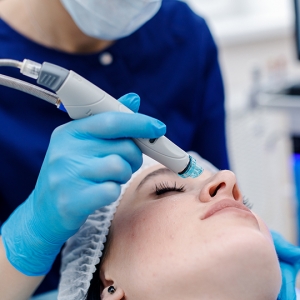





Ingrown hairs can turn an ordinary grooming routine into an ongoing skin concern. They often appear when a growing hair curls back into the skin instead of emerging normally. Shaving, waxing, and repeated hair removal can contribute to the problem in some individuals. Laser Hair Removal in Dubai takes a different approach by gradually reducing the amount of hair produced by targeted follicles.
Rather than repeatedly removing visible hair, laser treatment focuses on reducing future growth. This can be particularly appealing for people who regularly experience razor bumps, trapped hairs, or irritation in areas such as the legs, underarms, bikini region, neck, and beard area.
Why Ingrown Hairs Keep Coming Back
An ingrown hair is more than simply unwanted hair beneath the skin. The problem is often connected to the way the hair grows.
Curly, coarse, or tightly textured hair may have a greater tendency to bend back toward the skin. Shaving can also leave a sharp hair tip that may contribute to irritation as the hair grows.
When the same area is repeatedly shaved or waxed, the cycle can continue.
Reducing the amount of hair available to become trapped may help break this repetitive grooming pattern for some people.
How Laser Hair Removal in Dubai Approaches the Problem
Laser hair reduction works beneath the skin rather than simply cutting hair at its surface.
Controlled light energy is absorbed by pigment within the hair and directed toward the follicular structure. With repeated treatments, the follicle can become less capable of producing noticeable hair.
As growth decreases, there may be fewer hairs available to curl beneath the skin.
This does not mean every ingrown hair disappears immediately. The benefit develops progressively as unwanted hair is reduced over multiple sessions.
Which Areas Commonly Experience Ingrown Hairs?
Ingrown hairs can occur anywhere hair grows, but some areas are more frequently affected by grooming.
Legs
Regular shaving or waxing can contribute to bumps and trapped hairs on the legs. Gradual hair reduction may reduce the need for repeated shaving.
Underarms
The combination of coarse hair, shaving, sweating, and friction can make underarms prone to irritation. Reducing hair growth may make the area easier to manage.
Bikini Area
The bikini region can be particularly susceptible because hair may be coarse and naturally curly. Tight clothing and friction can also make existing bumps more noticeable.
Face and Neck
Men who regularly shave their beard area may experience ingrown hairs around the neck and jawline. Reducing beard density can potentially make frequent shaving less necessary.
Can Laser Treatment Remove Existing Ingrown Hairs?
Laser treatment primarily targets hair growth rather than directly removing an existing inflamed bump.
If an ingrown hair is already present, the immediate concern may be calming the skin and avoiding further irritation.
Laser hair reduction is better viewed as a longer-term strategy for reducing recurring hair growth.
Once the hair-producing follicles become less active, some people may experience fewer recurring ingrown hairs over time.
Why Shaving Can Make the Problem Worse
Shaving cuts hair close to the surface.
For individuals prone to ingrown hairs, the newly cut hair can sometimes grow at an angle and become trapped beneath the skin.
Repeated shaving can therefore maintain the cycle of visible hair, irritation, and regrowth.
Reducing the need for frequent shaving may help people who find that their skin reacts poorly to constant grooming.
What Happens to the Hair During Treatment?
The change is gradual rather than immediate.
After a session, some targeted hairs may remain visible before naturally shedding.
As additional treatments are completed, regrowth may become slower and less dense.
Some hairs may also appear finer than they were previously.
This progressive reduction can eventually make routine grooming less demanding.
Does Hair Type Affect Ingrown Hair Concerns?
Hair texture plays an important role.
Coarse and curly hair may have a greater tendency to curve toward the skin rather than growing directly outward.
Fine hair can also become ingrown, but the pattern may be different.
Laser treatment can affect different hair types differently because the technology relies partly on pigment within the hair.
The characteristics of both the hair and skin should therefore be considered when planning treatment.
Preparing for Laser Treatment When You Have Ingrown Hairs
Preparation should focus on keeping the skin in good condition.
Waxing and plucking are generally avoided because they remove the hair from its follicle.
Shaving may be used to manage visible hair before treatment when appropriate.
It is also useful to avoid aggressive scrubbing or picking at bumps immediately before a session.
If the skin is significantly inflamed or damaged, treatment may need to be reconsidered until the area has settled.
Why Picking Ingrown Hairs Can Be a Problem
Trying to dig out a trapped hair can irritate the surrounding skin.
Repeated squeezing, scratching, or picking may increase inflammation and can leave temporary discoloration or marks.
A gentle approach is generally preferable.
Laser hair reduction can then be considered as a longer-term way of reducing the recurring hair growth that contributes to the problem.
Laser Hair Removal for Razor Bumps
Razor bumps can look similar to ingrown hairs but are not always caused by an actual trapped hair.
They may develop because shaving irritates the skin or because short hairs grow back into nearby tissue.
For people who experience recurring shaving-related bumps, reducing hair density may make grooming easier.
The improvement depends on the underlying cause and individual skin response.
How Many Sessions Are Usually Required?
A single session cannot target every follicle because hair grows in different stages.
Some follicles are actively producing hair while others are temporarily inactive.
Laser energy is most effective when the hair is in a suitable active growth phase.
Repeated appointments therefore provide opportunities to target additional follicles as they enter that phase.
The number of sessions varies according to hair density, pigment, treatment area, skin tone, and individual response.
Can Laser Treatment Make Skin Smoother?
As hair growth becomes less noticeable, the skin may appear smoother because there is less visible stubble and fewer hairs requiring repeated removal.
People who experience shaving-related bumps may also appreciate having fewer grooming cycles.
However, laser treatment does not directly resurface the skin or erase existing scars and pigmentation.
Its primary purpose is reducing unwanted hair.
What About Dark Marks Left by Ingrown Hairs?
Some recurring ingrown hairs can leave temporary dark spots after the inflammation settles.
Reducing future hair growth may help limit the repeated irritation that contributes to new marks.
However, existing pigmentation may require a separate skincare approach.
Laser hair reduction should not be presented as a direct treatment for every type of post-inflammatory discoloration.
Does Laser Treatment Prevent Every Ingrown Hair?
No hair removal method can guarantee that ingrown hairs will never occur again.
New follicles may remain active, and some hair can regrow over time.
Hormonal changes can also stimulate additional growth.
The realistic goal is to reduce the amount and frequency of unwanted hair, which may consequently reduce the opportunity for recurring ingrown hairs in some individuals.
Aftercare for Skin Prone to Bumps
After treatment, the skin should be handled gently.
Avoid excessive rubbing, aggressive exfoliation, and unnecessary picking while the treated area settles.
Sun protection is particularly important for exposed areas because inflammation and UV exposure can contribute to uneven-looking pigmentation.
Comfortable clothing can also help reduce friction in areas such as the bikini region and underarms.
When Should You Consider Maintenance Treatment?
Even after significant hair reduction, some regrowth can occur.
Maintenance sessions may be useful when noticeable hair returns.
For people whose main goal is reducing recurring ingrown hairs, maintenance can help manage the follicles that remain active.
The timing varies from person to person rather than following one universal schedule.
What Results Should You Expect?
The most noticeable change is usually a gradual reduction in hair rather than an instant disappearance of every strand.
Over time, treated areas may show slower growth, fewer visible hairs, and finer regrowth.
If frequent shaving was contributing to bumps, needing to shave less often may also make the skin easier to manage.
Individual results depend on hair characteristics, skin type, treatment consistency, and natural growth patterns.
Final Thoughts
Laser Hair Removal in Dubai can be a useful long-term approach for people who struggle with recurring ingrown hairs caused or aggravated by frequent hair removal. By gradually reducing hair growth, the treatment may decrease the need for repeated shaving and help limit the conditions that contribute to trapped hairs and razor bumps. Results develop across multiple sessions and vary according to hair texture, pigment, skin tone, treatment area, and individual response. Proper preparation, gentle aftercare, and realistic expectations remain important throughout the process. For those exploring advanced solutions for unwanted hair and recurring grooming concerns, TAJMEELS CLINIC offers modern treatment options tailored to individual skin and hair characteristics.