








Preparing for the Registered Behavior Technician (RBT) exam can feel overwhelming for beginners, especially when you are not sure where to start or how to structure your study plan. The rbt practice exam is one of the most effective tools to help you understand the exam format, identify weak areas, and build confidence before the actual test. With the right preparation strategy, even complex concepts become easier to manage.
This guide is designed to help beginners navigate the RBT exam journey step by step. It focuses on practical strategies, key topics, common mistakes, and final preparation tips so you can approach your rbt practice exam with clarity and confidence.
Understanding RBT Practice Exam Basics
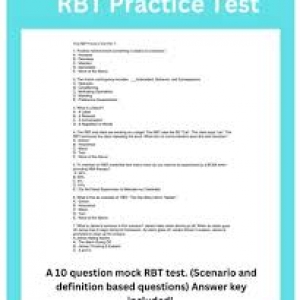
The RBT practice exam is a simulation of the real certification test designed by the Behavior Analyst Certification Board (BACB). It helps candidates become familiar with question styles, timing, and the type of knowledge required to pass. For beginners, this step is crucial because it removes uncertainty and builds familiarity with the exam structure.
When you start taking an rbt practice exam, you will notice that questions are scenario-based and focus on applied behavior analysis (ABA) principles. These exams are not just about memorizing definitions but understanding how to apply concepts in real-life situations. This makes practice tests a powerful learning tool rather than just an assessment method.
Key Topics Covered in RBT Practice Exam
One of the most important steps in preparation is understanding what topics are included in the exam. The rbt practice exam typically covers areas such as measurement, assessment, skill acquisition, behavior reduction, documentation, and professional conduct. Each of these domains plays a significant role in daily RBT responsibilities.
Beginners should pay special attention to behavior measurement techniques like frequency, duration, and latency, as these are frequently tested. Additionally, ethical guidelines and reporting procedures are heavily emphasized. By reviewing these topics regularly through practice exams, learners can strengthen both theoretical knowledge and practical application skills.
Effective Study Strategies for RBT Practice Exam
Developing a structured study plan is essential for success. Start by breaking down your study material into small sections and pairing each topic with an rbt practice exam session. This method helps reinforce learning immediately after studying a concept, improving long-term retention.
Another effective strategy is using active recall and spaced repetition. Instead of passively reading notes, try to test yourself frequently using practice questions. Reviewing incorrect answers is especially important because it helps identify weak areas and improves understanding over time. Consistency is key, so short daily study sessions are often more effective than long, irregular ones.
Common Mistakes Beginners Make in RBT Practice Exam
Many beginners make the mistake of relying only on reading materials without practicing enough questions. The rbt practice exam is designed to test application, so lack of practice can lead to confusion during the actual exam. Simply memorizing terms is not enough to succeed.
Another common mistake is ignoring feedback from practice tests. Every wrong answer provides an opportunity to learn, but many students skip reviewing explanations. Additionally, some learners underestimate time management skills, which can lead to rushed answers. Practicing under timed conditions helps improve both speed and accuracy.
Final Preparation and Test-Day Tips for RBT Practice Exam
As the exam date approaches, focus on full-length rbt practice exam simulations under real test conditions. This helps build endurance and reduces anxiety. Try to complete at least a few mock exams without interruptions to replicate the actual testing environment.
On the day before the exam, avoid cramming and instead focus on light revision and relaxation. Make sure you understand key concepts rather than trying to memorize new information. On test day, read each question carefully, eliminate incorrect options, and manage your time wisely to ensure you can answer all questions confidently.
Conclusion
Preparing for the RBT certification requires consistent effort, structured study habits, and regular practice. Using the rbt practice exam as a core part of your preparation strategy can significantly improve your understanding of exam content and boost your confidence. By focusing on key topics, avoiding common mistakes, and following effective study techniques, beginners can greatly increase their chances of success.
With the right mindset and preparation plan, passing the RBT exam becomes a realistic and achievable goal.