








Quick Answer: 40 Ft Yacht Pricing Overview
- A new 40-foot yacht in 2026 typically costs between $450,000 and $1.5 million depending on brand, propulsion type, onboard technology, and luxury features.
- Used 40-foot yachts commonly range from $120,000 to $700,000, with pricing heavily influenced by age, maintenance history, engine hours, and refit condition.
- Annual ownership expenses for a yacht in this size category often range from 10% to 15% of the vessel’s market value.
- Premium equipment such as stabilizers, joystick controls, upgraded electronics, and luxury interiors can significantly increase both purchase price and long-term operating costs.
- Buying used often provides stronger value retention and lower depreciation exposure, while buying new offers warranty protection and modern onboard systems.
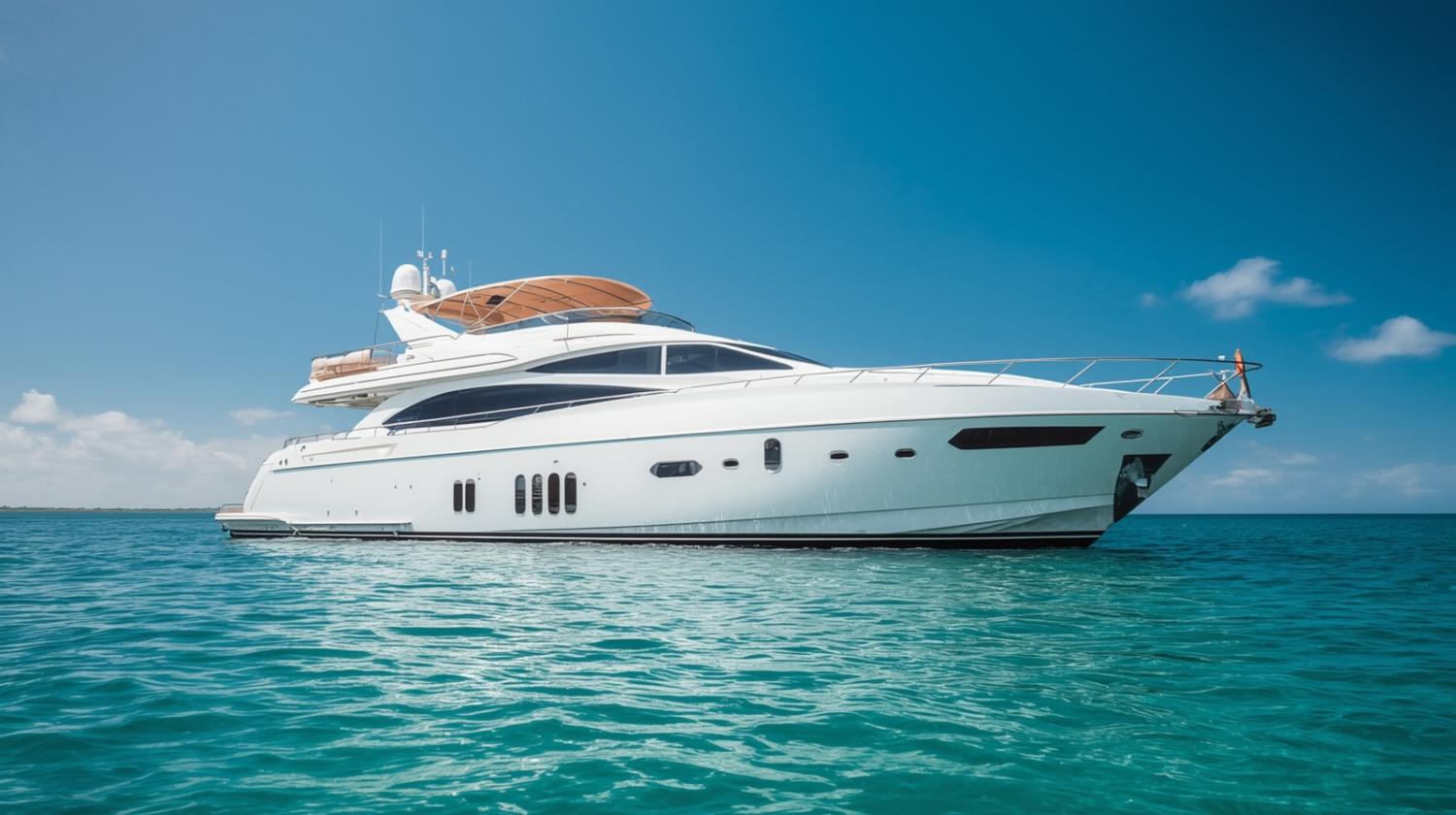
For many buyers entering the luxury boating market, the 40-foot category represents one of the most practical and attractive balance points between comfort, performance, and manageable ownership costs.
A yacht of this size is typically large enough to provide:
- Comfortable overnight accommodation
- Offshore cruising capability
- Entertaining space for family and guests
- Multiple onboard living areas
- Modern navigation and propulsion systems
yet still small enough for many owners to operate without a full-time crew.
Over the past decade working with yacht buyers and brokerage clients, I have noticed that pricing expectations for this segment are often misunderstood.
Many first-time buyers assume yacht pricing depends mostly on length. In reality, two yachts with identical overall dimensions can vary in price by hundreds of thousands of dollars depending on:
- Brand reputation
- Build quality
- Engine configuration
- Maintenance history
- Electronics packages
- Interior customization
- Cruising capability
This 40 ft yacht cost comparison becomes even more complicated when buyers evaluate the differences between new and pre-owned models.
For some owners, purchasing a brand-new vessel provides peace of mind and access to the latest technology. Others prefer the stronger value efficiency often found in well-maintained brokerage yachts.
Understanding how pricing works in this category is essential before entering the market.
Average Price Range for a 40 Ft Yacht in 2026
The 40-foot yacht segment covers a surprisingly broad range of vessel types and price categories.
In 2026, approximate pricing typically falls into the following ranges:
- Entry-level used cruising yachts: $120,000–$250,000
- Mid-range used luxury cruisers: $250,000–$500,000
- Premium late-model brokerage yachts: $500,000–$900,000
- New production yachts: $450,000–$1.5 million+
Several factors influence where a yacht falls within these categories.
For example:
- A ten-year-old express cruiser with gasoline engines may cost dramatically less than a newer diesel-powered cruising yacht.
- European luxury brands often command higher prices than mass-production American models.
- Catamarans and long-range cruising designs may carry additional premiums.
One important reality buyers quickly discover is that condition often matters more than age alone.
I have seen older yachts with exceptional maintenance records outperform newer vessels that received poor care or inconsistent servicing.
For this reason, experienced brokers and surveyors typically focus heavily on:
- Service documentation
- Engine maintenance history
- Moisture readings
- Structural condition
- Electrical system quality
- Refit history
rather than relying purely on manufacturing year.
The 40 Ft Motor Yacht segment remains especially popular because it combines:
- Comfortable cruising capability
- Relatively manageable docking requirements
- Suitable offshore performance
- Family-friendly layouts
- Strong resale demand
This popularity helps support long-term market stability for well-maintained examples.
New 40 Ft Yacht Prices by Brand and Type
New yacht pricing varies substantially depending on manufacturer positioning and onboard specifications.
Entry-level production builders may offer basic models starting near the lower end of the market, while premium luxury builders can easily exceed seven figures for highly equipped vessels.
Factors affecting new yacht pricing include:
- Hull construction quality
- Propulsion systems
- Stabilization technology
- Interior materials
- Smart-helm integration
- Brand reputation
- Semi-custom design capability
For example:
- European luxury brands often command premiums due to finish quality and styling.
- Offshore-oriented builders may charge more for advanced engineering and fuel efficiency.
- Performance-focused sport yachts typically emphasize speed and high-output engines, increasing operational costs as well.
In recent years, modern buyers have also placed growing importance on onboard technology.
Features now commonly influencing pricing include:
- Joystick docking systems
- Digital switching platforms
- Integrated navigation displays
- Seakeeper stabilizers
- Hydraulic swim platforms
- Advanced air-conditioning systems
These upgrades improve usability and onboard comfort but can increase both purchase price and long-term maintenance obligations.
From my experience, many first-time buyers initially focus heavily on visible luxury features while underestimating the value of practical engineering quality.
Over time, however, owners often come to appreciate:
- Mechanical accessibility
- Reliable electrical systems
- Efficient fuel consumption
- Thoughtful storage solutions
more than decorative upgrades alone.
Used 40 Ft Yacht Market and Depreciation Trends
The brokerage market remains one of the most attractive areas for value-conscious buyers.
Unlike automobiles, yacht depreciation patterns vary significantly based on:
- Brand reputation
- Maintenance quality
- Engine type
- Production volume
- Market demand
- Refit history