










Quick Answer:Used Yacht Renovation Essentials Before Cruising
- Renovating a used yacht before long-distance cruising is essential for safety, reliability, and long-term operating efficiency.
- Hull integrity, deck condition, and structural moisture issues are among the first areas that should be professionally inspected before any voyage.
- Engine, fuel system, and propulsion upgrades are often the largest refit expenses but are critical for offshore dependability.
- Modern navigation electronics and communication systems significantly improve route planning, safety awareness, and operational confidence.
- Interior renovations on a Used Yacht improve comfort during extended cruising but should be prioritized after structural and mechanical systems are stabilized.
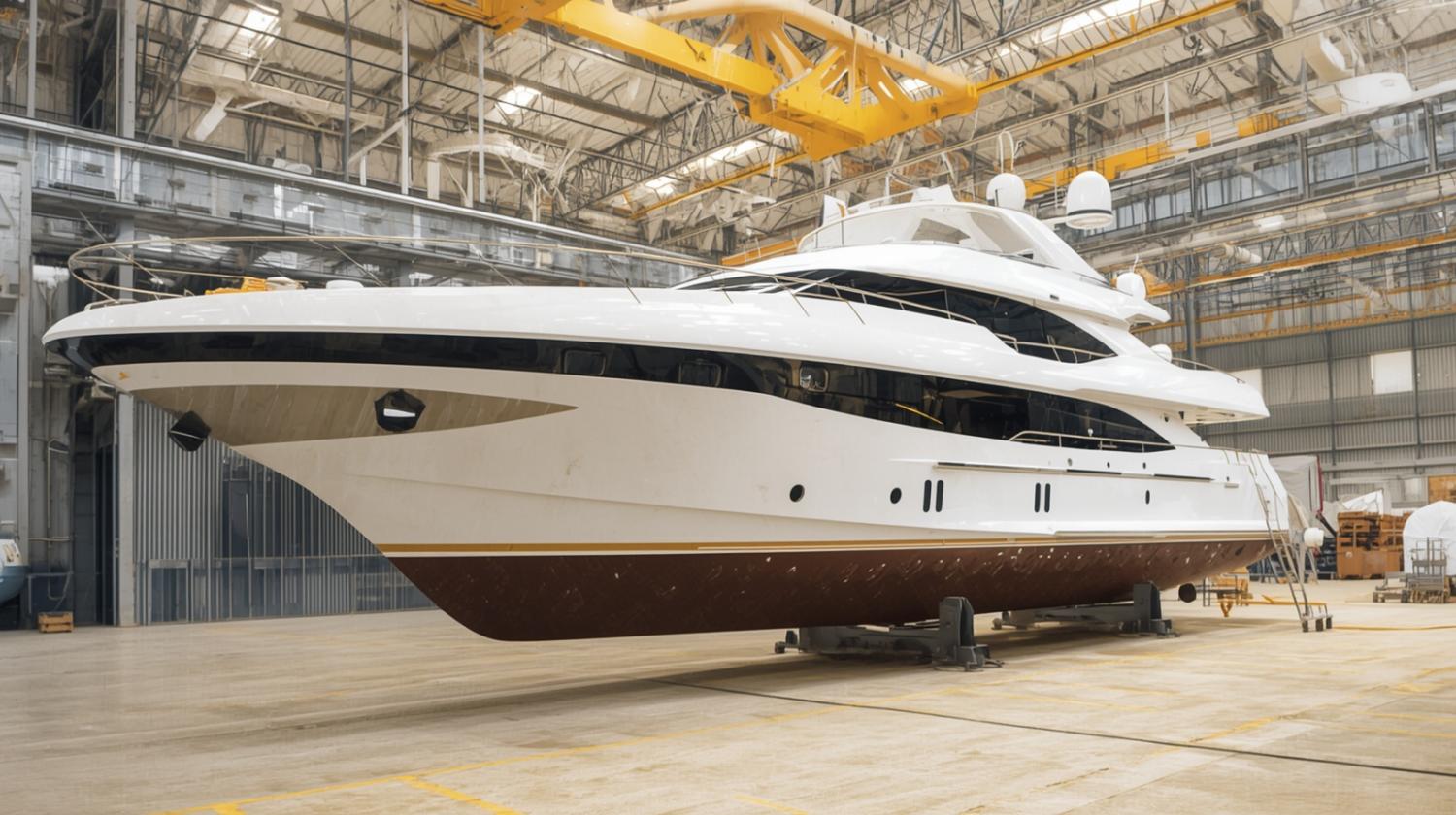
One of the biggest misconceptions in yacht ownership is assuming that a visually clean vessel is mechanically ready for offshore cruising. In reality, many older yachts hide years of deferred maintenance beneath polished surfaces and updated upholstery.
This used yacht renovation and refit guide is based on real brokerage and refit experience with owners preparing vessels for coastal passages, island cruising, and extended offshore voyages.
Before any serious cruising plan begins, renovation priorities should focus on reliability rather than appearance. A Used Yacht that performs safely under real sea conditions is far more valuable than one that simply looks modern at the dock.
In many projects I’ve advised, owners initially planned cosmetic improvements first, only to discover later that structural repairs or fuel system upgrades demanded a much larger share of the budget.
Why Renovating a Used Yacht Is Important Before Cruising
Cruising places continuous stress on every onboard system.
Even yachts that operate well during short marina outings may reveal weaknesses during:
- Long engine hours
- Rough sea conditions
- Continuous electrical demand
- Extended anchoring periods
- Offshore weather exposure
A proper renovation process helps identify hidden problems before they become operational risks.
In practical brokerage experience, many Used Yacht vessels entering the market have not been maintained with long-range cruising in mind. Previous owners may have used them primarily for weekend trips or dockside entertainment.
Before extended voyages, owners should evaluate:
- Structural condition
- Mechanical reliability
- Fuel capacity and efficiency
- Electrical stability
- Emergency equipment readiness
Skipping this stage often leads to expensive repairs during cruising seasons when shipyard access may be limited.
Inspecting the Hull, Deck, and Structural Condition
Structural inspection is one of the most important stages of any yacht renovation.
Critical inspection areas include:
- Hull blistering or osmosis
- Deck moisture intrusion
- Corrosion around fittings
- Bulkhead integrity
- Window and hatch sealing
One recurring issue I’ve encountered in older Used Yacht refits is hidden water intrusion beneath teak decks or around poorly sealed hardware installations.
These problems are rarely obvious during casual walkthroughs but can become major structural expenses later.
Professional marine surveys using moisture meters and thermal inspection tools are highly recommended before renovation budgets are finalized.
In many cases, owners discover that structural stabilization should happen before any interior redesign or electronics upgrade begins.
Engine, Fuel System, and Mechanical Refit Costs
Mechanical reliability is the foundation of safe cruising.
Typical refit areas include:
- Main engine servicing or replacement
- Fuel tank inspection and cleaning
- Exhaust and cooling system upgrades
- Shaft alignment and propeller servicing
- Generator refurbishment
From practical experience, propulsion systems often determine whether a Used Yacht is suitable for extended travel.
A yacht with aging but functional interiors may still be an excellent investment if its engines and systems are properly maintained. Conversely, an attractive vessel with unreliable mechanical systems can become financially overwhelming.
Fuel systems deserve special attention. Older fuel tanks may contain sludge contamination or corrosion that only becomes apparent during long-distance operation.
Mechanical refits can vary dramatically in cost depending on vessel size, engine accessibility, and parts availability.
Upgrading Electronics and Navigation Equipment
Modern electronics are no longer optional for serious cruising. They are now central to safety, navigation accuracy, and operational efficiency.
Common upgrade areas include:
- GPS chartplotters and radar systems
- AIS tracking and collision awareness
- Autopilot integration
- Satellite communication systems
- Battery monitoring and digital switching platforms
Many older Used Yacht models still operate with outdated analog systems that may lack compatibility with modern navigation software or emergency communication standards.
From real-world refit projects, I’ve seen owners underestimate how interconnected modern electronics have become. Installing a new chartplotter may also require:
- Network rewiring
- Updated battery systems
- Additional circuit protection
- Helm redesign work
Another major issue is reliability offshore. Coastal cruising sometimes masks electrical weaknesses that become obvious during overnight passages or extended anchoring.
Well-integrated electronics upgrades not only improve safety but also make long voyages significantly less stressful for owners and crew.
Interior Renovation for Comfort and Long Voyages
Interior comfort becomes increasingly important during extended cruising.
Short weekend trips may tolerate outdated layouts or limited storage, but long voyages quickly expose design inefficiencies.
Common interior improvements include:
- Better berth layouts and mattresses
- Galley modernization
- Improved refrigeration systems
- LED lighting upgrades
- Climate control and ventilation improvements
- Additional storage optimization
In many Used Yacht renovation projects, interior redesign is less about luxury and more about livability.
One practical example I frequently discuss with owners is ventilation. Older yachts often have insufficient airflow for tropical cruising, leading to humidity issues and discomfort during extended stays onboard.
Another important factor is weight management. Excessively heavy interior materials can negatively affect fuel efficiency and vessel balance.
Successful long-range cruising interiors combine comfort, practicality, and marine durability rather than focusing only on visual aesthetics.
Planning a Realistic Refit Budget and Timeline
One of the biggest mistakes owners make is underestimating both cost and project duration.
A realistic refit budget should include:
- Structural repair contingencies
- Mechanical overhaul allowances
- Electronics integration costs
- Labor and shipyard fees
- Haul-out and storage expenses
- Sea trial and testing costs
In practice, unforeseen problems are extremely common once dismantling begins. Corrosion hidden behind panels, degraded wiring, or outdated plumbing systems can significantly expand the original scope.
This is why experienced yacht owners typically reserve at least 15%–30% additional contingency funding.
Timeline planning is equally important. While cosmetic work may progress quickly, specialized parts, custom fabrication, and mechanical engineering delays often extend schedules.
From brokerage experience, owners who approach renovations in phases generally maintain better financial control and make more practical upgrade decisions.
Conclusion
Renovating a Used Yacht before extended cruising is not simply about aesthetics—it is about safety, reliability, and long-term operational confidence.
Structural inspections, propulsion upgrades, electronics modernization, and practical interior improvements all contribute to a more dependable cruising platform.
In real-world yacht ownership, the most successful renovation projects are usually those guided by realistic expectations and careful prioritization. Owners who focus first on mechanical reliability and safety systems consistently avoid many of the costly problems that appear later during offshore travel.
A well-renovated yacht can deliver years of rewarding cruising experiences while maintaining strong long-term value when upgrades are planned strategically.
FAQ
Q1: How much does it cost to renovate a used yacht?
A1: Costs vary widely depending on size and scope, but renovations commonly range from tens of thousands to several million dollars for extensive refits.
Q2: What should be upgraded before long-distance cruising?
A2: Engines, fuel systems, navigation electronics, safety equipment, and structural integrity should be prioritized before any extended offshore voyage.
Q3: Is a yacht refit worth the investment?
A3: In many cases, yes. A carefully planned Used Yacht refit can provide strong long-term value compared to purchasing a significantly more expensive new vessel.