








The rise of e bikes has become one of the most noticeable trends in modern transportation. As cities expand and populations grow, the need for efficient, affordable, and eco-friendly travel options continues to increase. E bikes, also known as electric bicycles, are designed to provide pedal assistance through an integrated motor, making cycling easier and more accessible for people of different age groups and fitness levels. This combination of traditional cycling and electric power has positioned e bikes as a practical solution for everyday commuting.
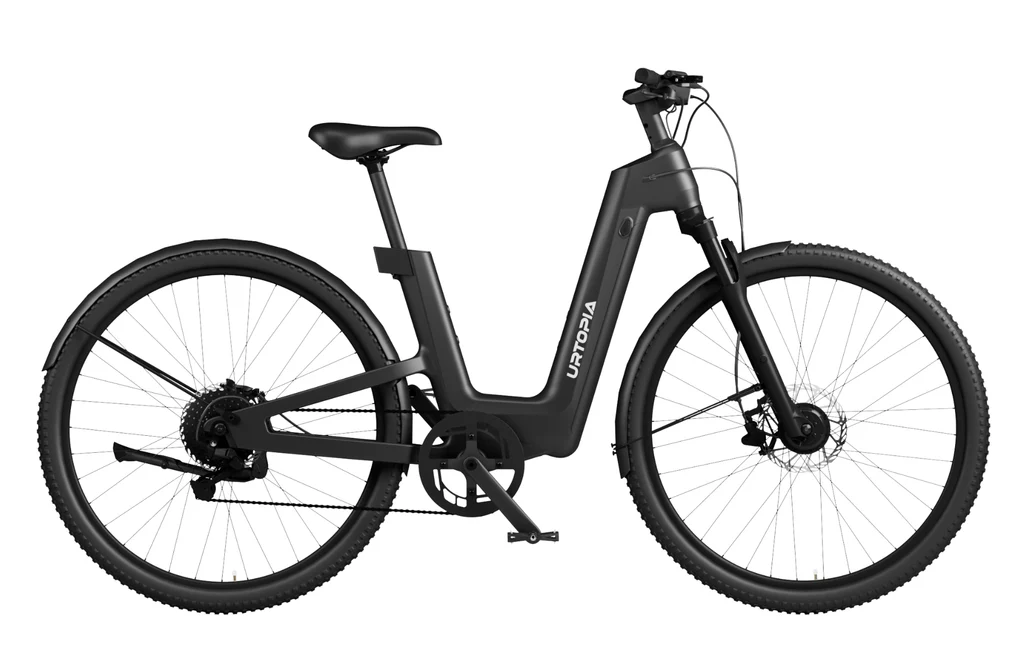
In recent years, the popularity of e bikes has surged globally due to changing lifestyles and increasing awareness of environmental issues. Many individuals are now choosing electric bikes over conventional vehicles to avoid traffic congestion and reduce fuel expenses. Urban commuters, students, and professionals alike are embracing e bikes for their convenience and cost-effectiveness. Additionally, the flexibility of electric bicycles allows riders to travel short and medium distances without the physical strain associated with traditional cycling.
The demand for e bikes is also influenced by the growing focus on sustainable living. Governments and organizations are promoting eco-friendly transportation solutions, encouraging people to adopt alternatives that reduce carbon emissions. As a result, e bikes are becoming a key component of modern mobility systems, offering a balance between efficiency and environmental responsibility.
Technology and Performance of E Bikes
The success of e bikes can largely be attributed to their advanced technology and impressive performance capabilities. At the heart of every electric bicycle is a motor that provides varying levels of pedal assistance, allowing riders to control the intensity of their ride. This feature is especially beneficial for navigating uphill terrains, long distances, and challenging road conditions.
Battery technology plays a crucial role in the functionality of e bikes. Modern electric bicycles are equipped with lithium-ion batteries that offer extended range and quick charging capabilities. Depending on the model, riders can travel significant distances on a single charge, making e bikes suitable for both daily commuting and recreational use. The improved efficiency of batteries has also contributed to the overall reliability and practicality of electric bicycles.
In addition to motor and battery systems, e bikes often include smart features that enhance the riding experience. Digital displays, speed settings, and sensor-based assistance systems provide greater control and customization. These features ensure that riders can adapt their e bike to different environments and personal preferences, improving comfort and safety.
Performance is another key aspect that sets e bikes apart from traditional bicycles. While they are designed to maintain safe speed limits, electric bicycles enable riders to reach their destinations more quickly and with less effort. This makes them an attractive option for individuals looking to save time while maintaining a comfortable and enjoyable journey.
Environmental Impact and Sustainable Mobility Trends
The environmental benefits of e bikes have played a significant role in their growing adoption. Unlike fuel-powered vehicles, electric bicycles produce zero direct emissions, making them a cleaner alternative for transportation. By reducing reliance on cars and motorcycles, e bikes help lower air pollution levels and contribute to a healthier environment.
e bikes also support the concept of sustainable urban mobility. As cities face increasing challenges related to traffic congestion and pollution, electric bicycles offer a practical solution for short-distance travel. They are particularly effective in addressing last-mile connectivity issues, allowing commuters to easily travel between public transportation hubs and their final destinations.
Another advantage of e bikes is their quiet operation, which helps reduce noise pollution in busy urban areas. This contributes to a more peaceful and comfortable living environment for city residents. As more people adopt electric bicycles, the cumulative impact can lead to cleaner air, reduced traffic congestion, and improved quality of life.
Furthermore, e bikes encourage a more active lifestyle. While the motor provides assistance, riders still engage in physical activity, which promotes better health and fitness. This combination of environmental and personal benefits makes e bikes a valuable addition to modern transportation systems.
Market Growth and Future Potential of E Bikes
The global e bike market has experienced rapid growth over the past decade, driven by technological advancements and increasing consumer demand. Manufacturers are continuously innovating to create more efficient, lightweight, and stylish electric bicycles. From urban commuter models to high-performance electric mountain bikes, the variety available in the market caters to a wide range of preferences and needs.
Affordability is another factor contributing to the expansion of the e bike market. As production costs decrease and competition increases, electric bicycles are becoming more accessible to a broader audience. This trend is expected to continue, making e bikes an increasingly popular choice for individuals seeking cost-effective transportation solutions.
Government initiatives and policies are also playing a crucial role in promoting the adoption of e bikes. Incentives such as subsidies, tax benefits, and infrastructure development are encouraging people to switch to eco-friendly alternatives. These efforts not only support the growth of the e bike industry but also contribute to achieving long-term sustainability goals.
Looking ahead, the future of e bikes appears promising. Advances in battery technology, smart connectivity, and design innovation are expected to enhance the performance and usability of electric bicycles. As urban areas continue to evolve, e bikes will play a vital role in shaping the future of transportation, offering a reliable and sustainable solution for modern mobility.
Conclusion
The increasing adoption of e bikes reflects a significant shift toward smarter and more sustainable transportation. With their combination of advanced technology, environmental benefits, and user-friendly design, electric bicycles are redefining the way people travel in urban and suburban areas. As awareness continues to grow and innovations advance, e bikes are set to become an essential part of everyday life, contributing to a cleaner, healthier, and more efficient future.