







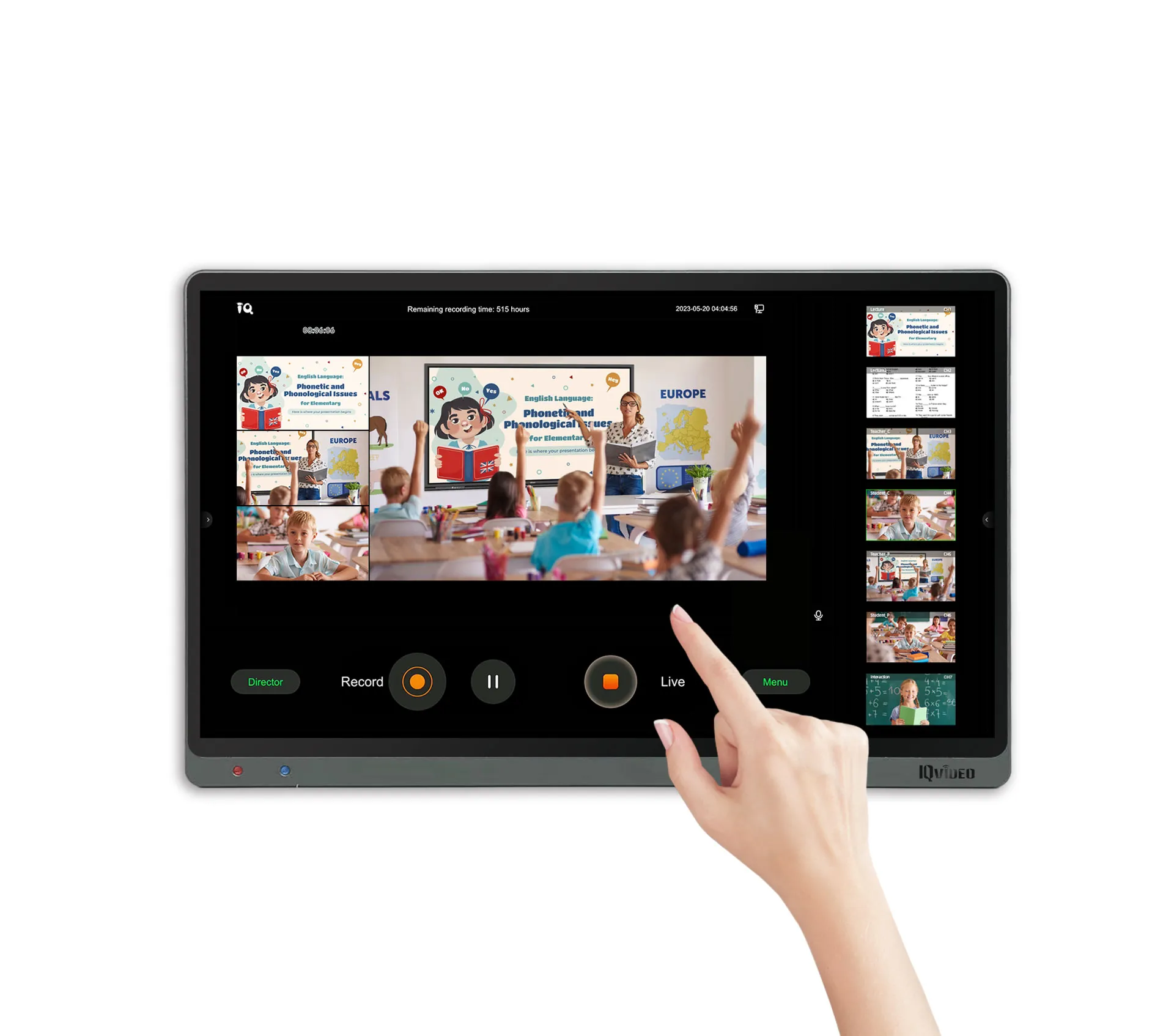
Lecture capture has become an essential part of modern education systems, especially in universities, colleges, and online learning platforms. It refers to the process of recording classroom lectures, presentations, and academic sessions so that students can access them later for study and revision purposes. With the rapid growth of digital learning technologies, lecture capture systems are transforming traditional teaching methods into flexible, accessible, and student-friendly learning experiences.
In today’s fast-moving academic environment, students often struggle to keep up with live lectures due to time constraints, part-time jobs, or personal commitments. Lecture capture technology solves this problem by allowing learners to revisit recorded lectures anytime and anywhere. This approach supports self-paced learning, improves understanding of complex topics, and enhances overall academic performance. As a result, lecture capture has become a core part of e-learning strategies in both physical classrooms and virtual education platforms.
The increasing demand for online education, blended learning models, and distance learning programs has further increased the importance of lecture capture solutions. Institutions are now investing in advanced lecture recording systems, video capture software, and cloud-based learning management systems to ensure high-quality educational content delivery. This shift highlights how deeply lecture capture is shaping the future of education.
How Lecture Capture Systems Are Transforming Classroom Learning Experiences
Lecture capture systems are changing the traditional classroom environment by introducing a more flexible and interactive learning model. Instead of relying only on in-person attendance, students can now access recorded lectures through digital platforms, making education more inclusive and accessible. This transformation is especially beneficial for students who miss classes due to illness, travel, or scheduling conflicts.
Modern lecture capture technology uses high-quality audio and video recording tools to ensure that every detail of the lecture is preserved. Many systems also integrate presentation slides, digital whiteboards, and screen sharing features, creating a complete learning package for students. This combination of visual and audio content helps learners better understand complex subjects, particularly in fields like science, engineering, medicine, and business studies.
Another important advantage of lecture capture in education is its ability to support revision and exam preparation. Students can revisit difficult topics multiple times until they fully understand the concept. This repeated exposure improves knowledge retention and reduces academic pressure. In many cases, recorded lectures become a valuable revision resource that students rely on throughout their academic journey.
Lecture capture also benefits educators by allowing them to improve teaching methods. Teachers can review their own recorded lectures to identify areas of improvement, refine explanations, and enhance presentation skills. Over time, this leads to higher teaching quality and better student outcomes. Additionally, institutions can use lecture capture analytics to understand student engagement patterns and improve course design accordingly.
The integration of lecture capture systems with learning management systems has further strengthened digital education ecosystems. Platforms such as Moodle, Blackboard, and Canvas often support lecture recording integration, making it easier for students to access all learning materials in one place. This seamless integration improves convenience and ensures a more organized learning experience.
Why Lecture Capture Is Becoming Essential in Online and Hybrid Learning Models
The rise of online education and hybrid learning models has significantly increased the importance of lecture capture technology. As more institutions adopt flexible learning approaches, recorded lectures have become a key component of academic delivery. Lecture capture allows educators to teach once while reaching multiple audiences across different locations and time zones.
In online learning environments, lecture capture ensures continuity of education without disruption. Whether students are attending fully remote courses or hybrid classes that combine in-person and online learning, recorded lectures provide consistency and reliability. This is especially important for international students or learners in different time zones who may not be able to attend live sessions.
Lecture capture also plays a major role in improving accessibility in education. Students with disabilities or learning difficulties benefit greatly from recorded lectures, as they can pause, rewind, and review content at their own pace. Subtitles, transcripts, and playback controls further enhance accessibility, making education more inclusive for all learners.
From an institutional perspective, lecture capture improves resource efficiency. Once a lecture is recorded, it can be reused for future classes, training sessions, or online courses. This reduces repetitive teaching efforts and allows educators to focus more on interactive and personalized learning experiences. Over time, it also helps institutions build a strong digital content library that supports long-term academic growth.
Security and privacy have also become important aspects of lecture capture systems. Modern platforms ensure that recorded lectures are stored securely and accessed only by authorized users. This protects intellectual property and maintains academic integrity while still providing flexible learning opportunities.
Conclusion on Lecture Capture and the Future of Digital Education
Lecture capture has emerged as a powerful innovation in the field of education, reshaping how knowledge is delivered, accessed, and retained. It bridges the gap between traditional classroom teaching and modern digital learning needs, offering students greater flexibility and control over their education.
As educational institutions continue to adopt online learning tools and hybrid models, lecture capture will play an even more important role in shaping the future of academic systems. Its ability to enhance learning accessibility, improve teaching quality, and support self-paced education makes it a vital component of modern education technology.