






Master Your Sound: Podcast SEO Best Practices for Beginners and Pros
The podcasting landscape has exploded. With millions of active shows vying for attention, simply "having a great voice" isn't enough to climb the charts anymore. In 2026, discoverability is the name of the game. If your target audience can’t find you on Google, Spotify, or Apple Podcasts, your message remains unheard.
Podcast SEO (Search Engine Optimization) is the strategic process of optimizing your audio content so it ranks higher in search results. Whether you are recording your first episode or your hundredth, mastering these best practices will help you turn "listeners" into a "loyal community."
1. Why Podcast SEO is the Growth Engine of 2026
For years, podcasts were treated as "dark content"—audio files that search engines couldn't fully understand. Today, Google uses advanced AI to transcribe audio automatically, meaning every word you speak can potentially help you rank.
Proper SEO ensures that when someone types a question into a search bar, your episode appears as the answer. This creates a sustainable "evergreen" growth model where your old episodes continue to bring in new listeners months after they’ve aired.
2. Keyword Research: The Foundation of Every Episode
Before you hit the record button, you need to know what people are searching for. Use tools like Google Keyword Planner, Ahrefs, or even the auto-complete feature on YouTube and Spotify.
-
Primary Keywords: These should be broad (e.g., "Digital Marketing Tips").
-
Long-Tail Keywords: These are specific phrases (e.g., "How to start digital marketing for small businesses in 2026").
-
Intent-Based Keywords: Focus on "How to," "Best," or "Why" to capture users looking for solutions.
3. Optimizing Your Show Title and Metadata
Your podcast title is the most important piece of SEO real estate. It needs to be catchy but also descriptive.
The "Name + Description" Strategy
Avoid cryptic titles like "The Daily Grind: Episode 4." Instead, use something like "The Daily Grind | Scaling Your SaaS Business with John Doe." This tells both the user and the algorithm exactly what to expect.
Episode Descriptions (Show Notes)
Think of your show notes as a blog post. To satisfy Google’s E-E-A-T (Experience, Expertise, Authoritativeness, and Trustworthiness) standards, your descriptions should:
-
Include a 200–300 word summary.
-
Use bullet points for key takeaways.
-
Link to reputable sources mentioned in the episode.
4. The Importance of Professional Audio Environments
The technical quality of your audio plays a subtle but vital role in SEO. High-quality audio leads to longer "dwell time" (how long someone stays tuned in). If your audio is filled with echo or background noise, listeners will bounce within the first minute, signaling to platforms that your content isn't valuable.
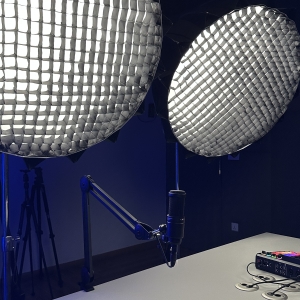
Many creators find that recording at a dedicated studio in gulberg provides the acoustic treatment necessary to produce that "radio-ready" sound that keeps retention rates high. When the clarity of your voice is uncompromised, automated transcription services produce more accurate text, which directly improves your keyword indexing. Furthermore, if you are searching for a high-end recording studio near me to host guests or record high-fidelity interviews, utilizing a professional space ensures that your technical SEO is as strong as your spoken content.
5. Transcripts: The SEO Goldmine
If you aren't publishing transcripts, you are leaving 80% of your SEO potential on the table. A full transcript turns an audio file into a text-heavy page that Google can crawl easily.
Benefits of Transcripts:
-
Accessibility: Helps the hearing-impaired and those who prefer reading.
-
Keyword Density: Naturally includes all the synonyms and related terms you spoke about.
-
Snippet Opportunities: Increases the chance of your content appearing as a "Featured Snippet" on Google.
6. Leveraging Chapters and Timestamps
Modern podcast players and Google Search now support "Chapters." By breaking your 45-minute episode into 5-minute segments with timestamped titles, you allow users to skip to the most relevant part.
Google often displays these timestamps directly in search results, giving you a much larger visual footprint and making your content more "clickable."
7. The Power of "Repurposing" for Backlinks
SEO isn't just about what’s on your page; it’s about who is linking to you. To build authority, repurpose your podcast into:
-
Blog Posts: Expand on the episode's topic with deeper research.
-
YouTube Videos: Video SEO is a massive traffic driver.
-
Infographics: Great for getting shares on Pinterest and LinkedIn.
When other websites link to your podcast page as a reference, your "Authority" score increases, pushing you higher in the rankings.
Podcast SEO Checklist for Every Episode
To ensure you don't miss a beat, follow this streamlined workflow for every release:
-
Identify one primary keyword and three secondary keywords.
-
Craft a title that includes the primary keyword near the beginning.
-
Write a unique, 300-word summary for the show notes.
-
Generate and clean up an automated transcript.
-
Add timestamps for at least 4–6 key segments.
-
Upload a high-resolution custom thumbnail (Alt-text included).
-
Include outbound links to guest social profiles and referenced tools.
-
Embed the podcast player on a dedicated page on your website.
8. Analyzing Your Data: The "Pro" Level
To truly master SEO, you must look at the data. Use your hosting provider’s analytics (like Buzzsprout, Libsyn, or Spotify for Podcasters) to track:
-
Drop-off Points: Where do people stop listening? Is the intro too long?
-
Subscriber Growth vs. Search Traffic: Are people finding you via "Browse" or "Search"?
-
Geographic Data: If you see a spike in a specific city, tailor your future keywords to that region’s trends.
9. Visual SEO: Thumbnails and Alt-Text
Don't forget that images are searchable too. Your podcast cover art and episode thumbnails should have descriptive file names (e.g., podcast-seo-tips-2026.jpg) rather than generic ones (e.g., IMG_001.jpg). Always fill out the "Alt-Text" in your CMS to describe the image to search engine crawlers.
10. Building E-E-A-T Through Guesting
Google rewards content created by people with actual experience. When you interview a recognized expert, their name becomes a keyword associated with your show. By linking to their verified social media profiles or websites, you create a "web of trust" that signals to Google you are a legitimate source of information in your niche.
Summary of Best Practices
-
Content is King, but Context is Queen: Great audio needs great metadata to be discovered.
-
Consistency Matters: Frequent uploads signal to search engines that your site/feed is active.
-
Quality Above All: Use professional environments to ensure your transcriptions and listener retention remain high.
-
Accessibility Wins: Transcripts and chapters are no longer optional for serious creators.
Start Your Journey with Delenzo Studio
The journey from a hobbyist to a professional podcaster requires the right tools and the right environment. At Delenzo Studio, we provide the premium infrastructure you need to ensure your audio meets the highest industry standards.
By combining our professional-grade recording spaces with the SEO strategies outlined above, you can focus on what you do best—telling your story—while we help you ensure the world can hear it with crystal clarity. From acoustic design to technical support, we are here to help your podcast stand out in a crowded digital world.