


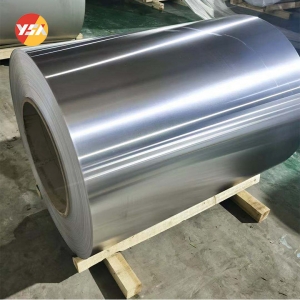





8011 aluminum foil is a widely used alloy in the aluminum foil industry, part of the 8xxx series (primarily aluminum-iron alloys). Known for its excellent formability, barrier properties, and cost-effectiveness, it dominates food packaging, pharmaceutical wrapping, and industrial applications. Unlike pure aluminum (1xxx series), 8011 contains controlled iron and silicon additives that enhance strength and reduce pinholes during production.
Composition & Metallurgy: Why 8011 Stands Out
The alloy’s key components include:
-
Aluminum (Al): ~98.5% (base metal).
-
Iron (Fe): 0.50–0.90% (boosts tensile strength).
-
Silicon (Si): 0.10–0.50% (improves work hardening and reduces pinholes).
-
Trace Elements: Copper, manganese (<0.05%).
This blend balances ductility for deep drawing with strength to resist tearing during high-speed packaging.
Key Properties & Performance Advantages
-
Superior Barrier Performance
-
Impermeable to moisture, oxygen, light, and microorganisms.
-
Extends shelf life of perishables (e.g., dairy, chocolate).
-
-
Excellent Formability
-
Easily molded into trays, lids, pouches, and blister packs.
-
Compatible with lamination, printing, and coating processes.
-
-
Heat Resistance
-
Withstands temperatures up to 300°C (ideal for retort sterilization).
-
-
Pinhole Resistance
-
Low defect density due to silicon content (critical for pharmaceutical seals).
-
-
Non-Toxic & Food-Safe
-
Complies with FDA, EU 10/2011, and GB 4806 standards.
-
Manufacturing Process: From Ingot to Foil
-
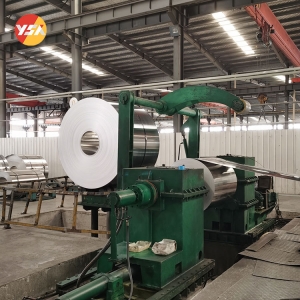
Casting: Molten 8011 alloy rolled into thick slabs.
-
Hot Rolling: Slabs heated and rolled to 2–6mm thickness.
-
Cold Rolling: Thinned to 0.1–0.3mm through multiple passes.
-
Annealing: Heat treatment to restore flexibility (O-temper state).
-
Finishing: Final rolling to target thickness (e.g., 6μm–200μm), slitting, and coating.
Primary Applications Across Industries
| Sector | Use Cases |
|---|---|
| Food Packaging | Yogurt lids, chocolate wraps, ready-meal trays, aseptic drink cartons. |
| Pharmaceuticals | Blister packs, PTP (Press-Through Packaging) foil, vial seals. |
| Industrial | Battery cell casing, insulation backing, cable shielding, HVAC tapes. |
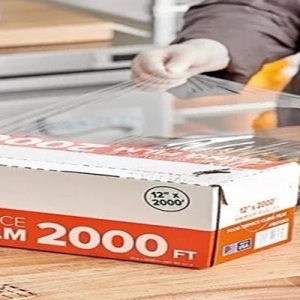
| Consumer Goods | Cosmetic tubes, coffee pouches, household foil rolls. |
Comparison to Other Alloys
| Alloy | Key Differences | Typical Use |
|---|---|---|
| 1235 | Higher purity (>99.35% Al), softer, lower strength. | Flexible packaging, capacitors. |
| 3003 | Manganese-added, stronger, less formable. | Semi-rigid containers, heat exchangers. |
| 8079 | Higher iron (0.7–1.3%), better puncture resistance. | Heavy-duty pouches, caps. |
Conclusion: 8011 aluminum foil’s balance of strength, flexibility, and barrier efficiency makes it indispensable in global packaging. Its adaptability to coatings, laminates, and printing ensures continued dominance in hygiene-sensitive and high-volume markets.