



Having access to clean and purified drinking water is important for maintaining a healthy lifestyle. However, tap water quality can vary depending on its source, treatment process, and distribution system. Water may contain chlorine, sediment, dissolved salts, heavy metals, and other unwanted substances that can affect its taste and quality. For households looking for a convenient purification solution, a countertop RO system offers an effective way to improve everyday drinking water.
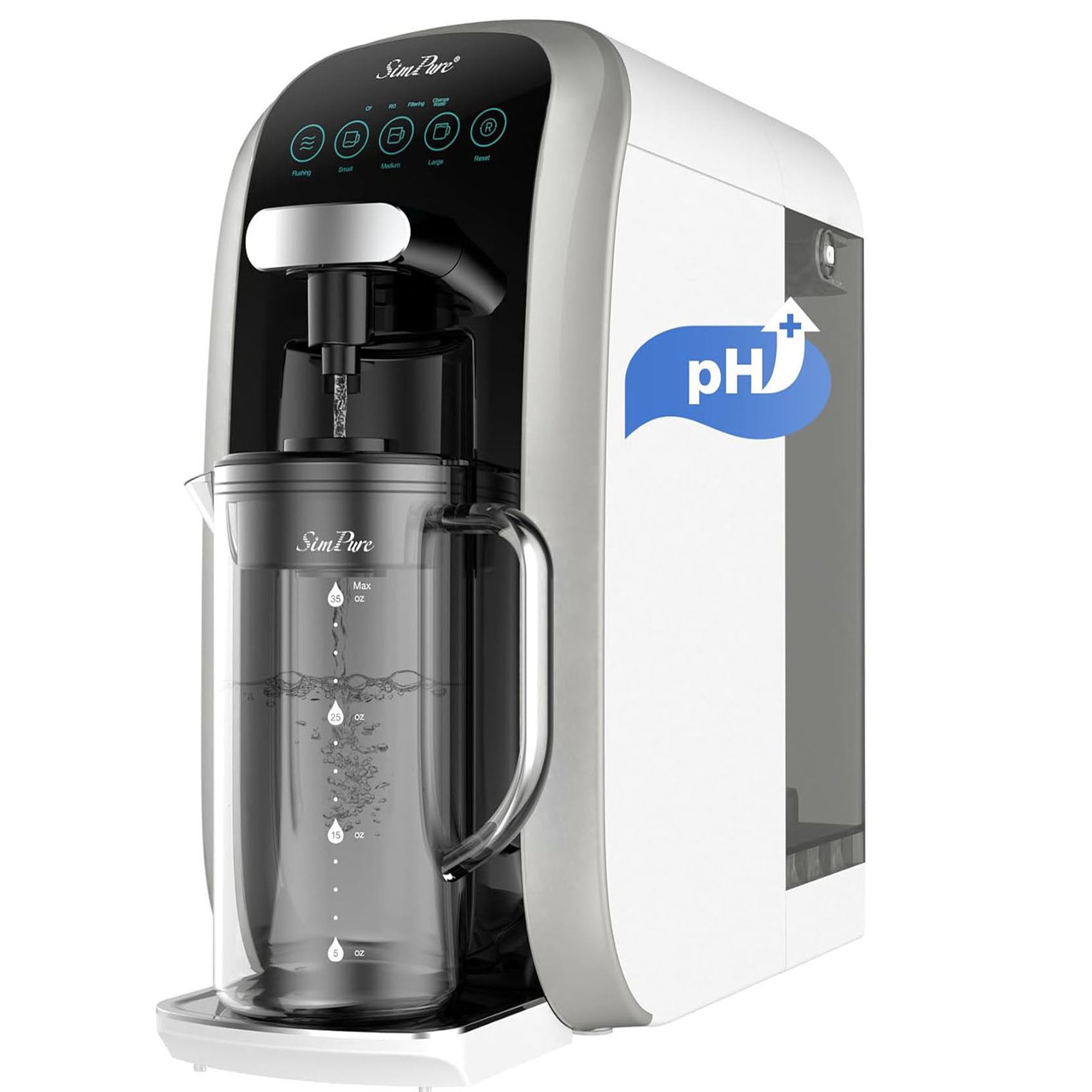
A countertop reverse osmosis system is designed to provide purified water without requiring complicated plumbing or permanent installation. Unlike traditional water filtration pitchers, which mainly target certain particles and taste-related impurities, reverse osmosis technology uses a specialized membrane to reduce many dissolved contaminants. Its compact construction makes it suitable for apartments, small kitchens, rental properties, and offices.
Modern countertop RO water purifiers are also available with advanced features such as multiple filtration stages, digital displays, filter replacement indicators, and built-in water reservoirs. These features make daily water purification easier while helping users monitor their system's performance. Understanding the technology, benefits, and important purchasing factors can help consumers select a countertop water filtration system that meets their household requirements.
Advanced Features of a Countertop RO System
A countertop ro system is a compact water purification device that uses reverse osmosis technology to reduce unwanted substances in drinking water. It is generally placed on a kitchen counter and may operate through a direct faucet connection or an integrated water reservoir. Unlike conventional under-sink filtration units, most countertop models do not require permanent modifications to existing plumbing.
The main component of a reverse osmosis water purifier is its semipermeable membrane. This membrane allows water molecules to pass through while reducing many dissolved impurities. The filtration process may include several stages, with each component designed to address different types of contaminants.
The first stage commonly involves a sediment filter that captures visible particles such as dirt, sand, rust, and other suspended materials. This initial filtration helps protect the remaining components and supports the overall performance of the purifier.
The next stage often uses an activated carbon filter. Carbon filtration helps reduce chlorine, unpleasant odors, and certain organic compounds that can affect the taste of tap water. After this stage, water passes through the reverse osmosis membrane, which reduces many dissolved substances, including certain heavy metals, salts, and other contaminants.
Some advanced countertop reverse osmosis systems also include a final polishing filter or remineralization stage. A polishing filter helps improve the final taste, while remineralization technology adds selected minerals back into the purified water.
Modern countertop water filtration systems may also include smart monitoring features. Digital displays can provide information about water quality, filter life, and operating conditions. Automatic flushing functions help maintain the membrane, while filter replacement alerts remind users when maintenance is required.
These features make countertop RO technology a practical choice for consumers who want advanced water purification in a compact and convenient design.
Major Benefits of a Countertop Reverse Osmosis Water Filter
One of the most important advantages of a countertop reverse osmosis water filter is convenience. Traditional under-sink filtration systems often require plumbing connections, installation equipment, and additional cabinet space. Countertop models are generally easier to set up, making them suitable for people who live in rented apartments or frequently move between locations.
Improved water taste is another significant benefit. Tap water can sometimes have an unpleasant chlorine taste or odor due to the treatment process and other substances present in the supply. Combining activated carbon filtration with reverse osmosis technology can help produce cleaner-tasting drinking water for everyday use.
Space efficiency also makes these systems attractive. Although a countertop RO purifier occupies some surface area, it eliminates the need for a permanent installation beneath the kitchen sink. Many modern models feature attractive designs that fit naturally into contemporary kitchens.
Another benefit is their versatility. Purified water can be used for drinking, preparing coffee, making tea, and cooking meals. Having a dedicated source of filtered water at home can also reduce dependence on commercially bottled drinking water.
Some countertop RO systems include built-in storage tanks that allow users to access purified water without waiting for the entire filtration process each time. Other models use direct-flow technology to produce filtered water on demand. The best option depends on household water consumption and personal preferences.
Water quality improvement is another important consideration. Depending on the filtration stages, membrane specifications, and independent certifications, these systems can reduce various dissolved contaminants. Buyers should examine the manufacturer's tested contaminant reduction claims instead of assuming that every countertop water purifier removes all unwanted substances.
Certain models also offer mineral enhancement features. Reverse osmosis filtration can remove naturally occurring minerals along with unwanted dissolved substances. A remineralization filter can add selected minerals back into the water, potentially improving its taste and overall drinking experience.
For households looking for portable water purification, convenient operation, and modern filtration technology, a countertop RO system provides several practical advantages.
Choosing and Maintaining the Right Countertop RO System
Selecting the right countertop RO system requires careful consideration of water quality, household requirements, filtration performance, and maintenance costs. Since different models offer different technologies and capacities, comparing their specifications can help consumers make a more informed purchasing decision.
Filtration performance should be one of the first factors to examine. Buyers should review the number of filtration stages, reverse osmosis membrane specifications, and available independent certifications. NSF/ANSI certifications can provide useful information about specific product performance and material safety requirements. It is important to check the exact standard and contaminant reduction claims because certification does not automatically mean that a system removes every type of impurity.
Water production capacity is another important consideration. Smaller households may prefer a compact purifier with a modest reservoir, while larger families may need a model that produces greater quantities of purified water. Understanding daily drinking water requirements can help prevent inconvenience during regular use.
Size and portability also matter. Before purchasing a countertop water filtration system, consumers should measure their available kitchen space and compare the dimensions of different models. Removable reservoirs, simple controls, and easy-to-clean components can make daily operation more convenient.
Maintenance is essential for consistent filtration performance. Sediment filters, activated carbon cartridges, and reverse osmosis membranes have limited service lives and must be replaced according to manufacturer recommendations. Replacement intervals depend on incoming water quality, daily consumption, and the specific system design.
Regular cleaning is equally important, especially for models with built-in water storage tanks. Keeping reservoirs and removable components clean helps maintain hygienic conditions. Users should also follow the manufacturer's instructions for membrane flushing and filter replacement.
Water efficiency deserves attention when comparing different models. Reverse osmosis systems produce purified water while separating concentrated wastewater. The wastewater ratio varies depending on membrane performance, water pressure, temperature, and system design. Some modern countertop RO purifiers use improved recovery technology to reduce water waste.
Finally, buyers should compare the long-term cost of replacement filters. An affordable initial purchase price does not always mean lower ownership costs. Checking cartridge availability, replacement prices, warranty coverage, and customer support can help identify a reliable countertop reverse osmosis water purifier.
Conclusion
A countertop RO system is a convenient and practical solution for households seeking better-tasting and purified drinking water. Its advanced reverse osmosis membrane, multiple filtration stages, compact construction, and simple operation make it an attractive alternative to traditional under-sink water filtration systems.
Whether used in a small apartment, family kitchen, rental property, or office, a countertop reverse osmosis water filter can provide convenient access to purified water without complicated plumbing modifications. Modern features such as digital monitoring, built-in reservoirs, automatic flushing, and remineralization filters further improve the overall user experience.