



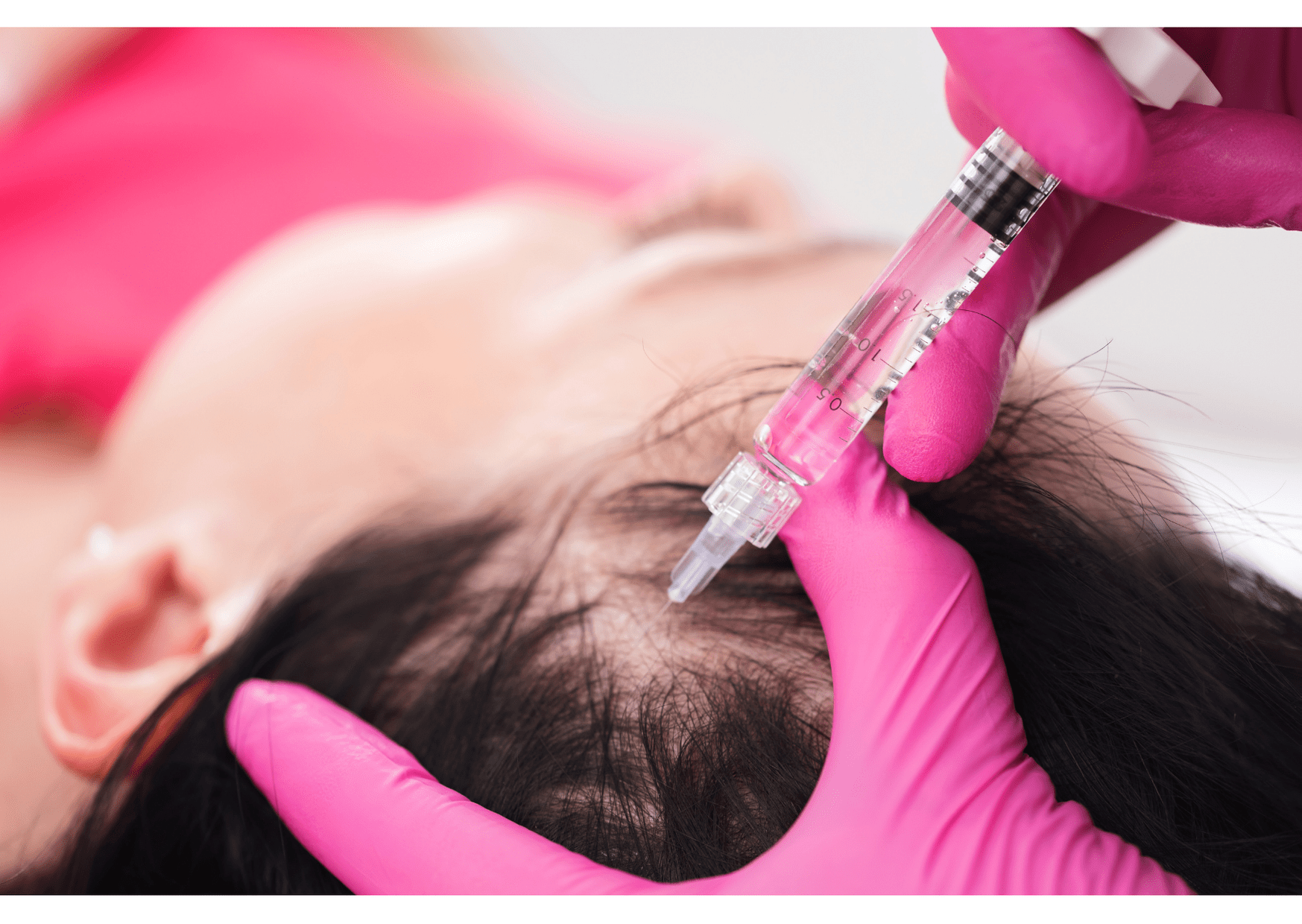
Noticing more hair in the brush, a wider part, or a thinner ponytail can be deeply unsettling for women, especially because hair is so closely tied to self-image. Many are now exploring gentle, regenerative options, and PRP Hair Treatment in Dubai is one example of how women are looking into plasma-based support for hair that feels weaker than before. Female hair loss has its own patterns and causes, so it helps to understand whether this approach fits your situation before making any decision.
How Hair Loss Looks Different in Women?
Women rarely go bald in the way men do. Instead, thinning often appears as a widening part, reduced overall volume, or finer strands across the top of the scalp. The hairline usually stays intact, which is why the change can feel subtle at first but still emotionally significant. Recognizing this pattern is the first step toward choosing suitable care.
Common Causes Behind Female Thinning:
Several factors can contribute to hair loss in women, and often more than one is involved:
- Hormonal shifts during pregnancy, postpartum, or menopause
- Thyroid imbalance
- Iron, vitamin D, or protein deficiency
- Ongoing stress or sudden illness
- Genetic tendency toward thinning
- Harsh styling or chemical treatments
Identifying the cause matters because it shapes what kind of support will actually help.
Why Women Are Interested in PRP?
Many women prefer approaches that feel natural and low-risk. Since PRP is made from your own blood, the chance of allergic reaction or rejection is very low. It also avoids daily chemical applications, which appeals to women who want a simpler routine or are cautious about certain medications, especially during certain life stages.
What PRP May Offer for Thinning Hair?
PRP is used to support follicles that have become weak or underactive. For women, the aim is usually improved strength, better density, and healthier-looking strands rather than dramatic change. It is best seen as a supportive therapy that works with the body’s own resources, not as a cure for the root cause of hair loss.
Women Who Tend to Be Better Candidates:
Certain profiles are often considered more suitable:
- Early or mild diffuse thinning
- Visible fine hairs still present in thin areas
- Thinning linked to temporary stress or lifestyle factors
- A healthy scalp without scarring
- Realistic expectations about gradual improvement
When PRP May Not Be the Right Step?
Some situations call for a different approach first. Hair loss caused by untreated thyroid problems, severe deficiencies, or certain autoimmune conditions needs medical attention before anything else. Scarring forms of hair loss also respond poorly to supportive therapies. Women who are pregnant or who have specific blood conditions should speak to a doctor before considering PRP.
Hormones, Life Stages, and Hair:
Hormonal changes are among the most common triggers of female hair loss. Postpartum shedding, perimenopause, and menopause can all affect density and texture. Because these changes are tied to natural life transitions, patience and a broad approach to care often work better than chasing a single solution. A professional can help you understand which changes are temporary and which may need ongoing support.
Daily Habits That Help Hair Stay Strong:
Healthy routines make a real difference alongside any supportive therapy:
- Eat balanced meals with enough protein and iron
- Include sources of vitamin D and healthy fats
- Stay hydrated and prioritize sleep
- Use gentle shampoos and avoid tight hairstyles
- Limit heat styling and aggressive coloring
Emotional Impact and Self-Confidence:
Hair loss can affect mood, social comfort, and confidence far more than people admit. Women often feel pressure to hide it or cope in silence. Speaking with a trusted professional, friend, or support community can ease that burden. Taking action, even a small step, often restores a sense of control and optimism.
Frequently Asked Questions:
1. Is PRP suitable for women?
Yes, women with early or diffuse thinning are often considered, though suitability depends on the cause of hair loss and overall health.
2. Can PRP help postpartum or menopausal hair thinning?
It may support weakened follicles, but hormonal causes often need broader care. A specialist can advise what is appropriate.
3. Is PRP safe for women?
Because it uses your own blood, serious reactions are uncommon. Mild scalp tenderness may occur, and those with certain conditions should seek medical advice first.
4. Will PRP work if my thinning is caused by a deficiency?
Underlying deficiencies should be addressed first, since they can limit how well any supportive therapy performs.
5. Can I combine PRP with other hair care?
Many women pair it with healthy habits and other recommended approaches. A qualified professional can guide the best combination.
Final Thoughts:
PRP can be a suitable supportive option for many women with early or moderate hair thinning, especially when follicles are still active and the cause has been properly understood. It is not a cure, and results vary from person to person. The best path combines healthy habits, realistic expectations, and guidance from a qualified professional who can recommend what truly fits your hair needs and long-term goals.
At Dynamic Life Clinic, PRP Hair Treatment costs start from AED 499 per session, with packages ranging from AED 599 to AED 2,300. Book your consultation for personalized hair restoration care. Call +971 4 388 8504 or visit our Dubai clinic.
Pricing reference:
-
Single session: AED 499
-
3 sessions: AED 1,500 (discounted)
-
Maintenance: AED 250 per session