


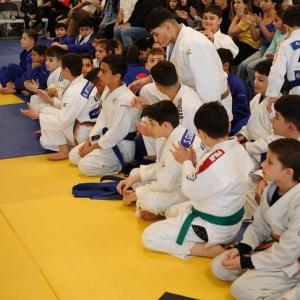

Yes, jiu jitsu is generally considered safe for kids when it's taught by a qualified instructor in a well-run class. Like any physical activity, it carries some risk of bumps, sprains, and sore joints. Most injuries are minor and preventable with supervision, proper technique, and smart habits. Here's what parents should know about common injuries and how to reduce them.
Why Jiu Jitsu Is a Reasonable Choice for Children
Families looking into jiu jitsu in North Hollywood often start with one big question: will my child get hurt? The sport is grappling-based, and kids' classes typically don't include punching or kicking, so impact is lower than in many contact sports. Children learn to fall safely, control their bodies, and tap out when they're uncomfortable. Training happens on padded mats, and youth classes usually emphasize fundamentals, movement, and respect over hard sparring.
Common Injuries in Kids Jiu Jitsu
Most injuries are minor. Think bruises, mat burns, jammed fingers and toes, stiff necks, and mild sprains or strains in the wrists, knees, and elbows. Kids can also take accidental bumps to the face or head when partners move quickly. Serious injuries like fractures or concussions are less common, but they can happen, especially with poor supervision, mismatched partners, or rough play. Fatigue matters too, since tired kids lose focus and technique.
How Good Instructors Reduce the Risk
A strong program builds safety into every class. Instructors start with a proper warm-up to prepare muscles and joints, then teach technique slowly before any live practice. Kids learn to tap early and often, and coaches respect every tap right away. Good schools pair children by size, age, and experience, and many restrict or prohibit certain submissions for younger students. Smaller class sizes and active supervision make it easier to spot problems before they turn into injuries.
Hygiene and Skin Health
Skin infections like ringworm are a known issue in grappling sports, but they're largely preventable. Kids should wear a clean gi to every class, shower soon after training, and keep fingernails and toenails trimmed. Sandals should be worn off the mat, and any rash or unusual skin spot should be reported to a parent and checked by a doctor. Reputable schools also clean their mats regularly.
What Parents Can Do to Keep Kids Safe
Before enrolling, visit a school that offers jiu-jitsu in North Hollywood and watch a kids' class in action. Notice how instructors manage the room, whether partners are well matched, and how they handle rough behavior. Ask about their rules on submissions, their experience teaching children, and their policy when someone gets hurt. Make sure your child arrives with a well-fitted gi, no jewelry, a water bottle, and a good night's sleep behind them.
When to Take a Break or See a Doctor
Pay attention to what your child tells you. Persistent pain, swelling, limping, or a joint that looks different from the other side deserves a rest and possibly a doctor's visit. After any hit to the head, watch for headache, dizziness, nausea, or unusual sleepiness, and get medical care if you notice any of them. Never pressure a child to push through pain, since returning too soon can turn a small injury into a bigger one.
Conclusion
Jiu-jitsu can be a safe and rewarding activity for kids when the instructor is skilled and the environment is well managed. Expect a few minor bumps, stay alert to warning signs, and keep communication open with your child and their coach. With the right setup, children build confidence, strength, and discipline while having a great time.