



Most people don't think much about their carry-on until it fails them — a zipper splitting open in the middle of an airport, a wheel snapping off after one too many curb drops, a handle that suddenly won't retract. At that point, it becomes a rushed replacement purchase instead of a considered decision, and the cycle tends to repeat itself every couple of years. Choosing well the first time around is really the only way to break that pattern, and it starts with knowing what actually separates a bag built for years of real use from one that just looks good on a shelf.
Good Carry on Luggage isn't about finding the flashiest design — it's about identifying a handful of construction details that quietly determine how well a bag survives repeated trips, rough baggage handling, and years of everyday wear.
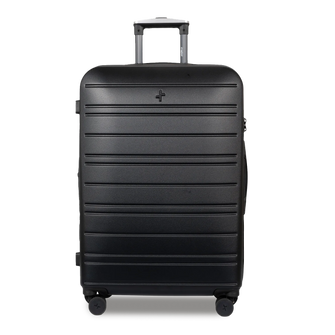
Shell Material Matters More Than It Looks
The material a suitcase is built from has a bigger impact on longevity than almost any other factor.
- Polycarbonate is widely considered one of the most durable hard-shell options available, since it flexes under pressure rather than cracking outright, which matters a lot when a bag gets tossed around during handling.
- ABS plastic is lighter and more affordable but tends to be more prone to cracking under serious impact, making it a reasonable choice for occasional travelers rather than frequent flyers.
- Nylon and polyester (soft-shell options) trade some impact resistance for flexibility and often more packing give, which some travelers prefer despite slightly less structural protection.
Neither hard-shell nor soft-shell is universally "better" — it depends on travel frequency and what kind of protection matters most to a given traveler. But within either category, material quality is what actually determines how a bag holds up over time.
Wheels Are Where Cheap Bags Fail First
If there's one component responsible for more premature suitcase replacements than any other, it's the wheels. Spinner wheels — the four-wheel, 360-degree rotating kind — have become the standard for good reason, since they distribute weight more evenly and reduce strain on any single wheel compared to older two-wheel designs.
What actually matters for longevity is wheel construction quality: sealed bearings, reinforced housing, and wheels rated for the kind of rough, uneven surfaces airports and city streets regularly throw at them. A bag with high-quality spinner wheels will noticeably outlast one with cheaper, exposed wheel mechanisms that wear down after a relatively small number of trips.
Zippers and Seams Tell the Real Story
It's easy to overlook zippers when comparing bags, but they're one of the most common failure points on lower-quality luggage. YKK zippers, in particular, have built a strong reputation in the travel industry for holding up over years of repeated use without splitting or jamming. Double-stitched seams along stress points — corners, handle attachments, wheel housings — are another detail worth checking, since these are exactly the areas that take the most physical strain during travel.
A quick way to judge this in person: gently tug at the zipper pulls and press along the seams. Quality construction should feel solid, without loose threads or give where there shouldn't be any.
The Telescoping Handle Deserves Attention Too
A wobbly or difficult-to-retract handle might seem like a minor annoyance, but it's often one of the first parts of a bag to fail. Multi-stage aluminum handles with a locking mechanism at each height setting tend to hold up significantly better than single-stage or plastic-heavy alternatives, which loosen and wobble much faster under regular use.
Warranty Coverage Is a Genuine Signal of Quality
Brands confident in their construction tend to back it with real warranty coverage, and this is worth paying attention to when comparing options. A longer warranty period isn't just a nice bonus — it's often a fairly reliable indicator that a manufacturer expects the Travel Suitcase to actually hold up under normal use conditions for years, not just survive a single trip or two before problems start showing up.

Weight-to-Durability Balance
A completely reasonable temptation when shopping is to gravitate toward the lightest option available, since airline weight limits make every extra pound feel costly. But the lightest bag on the shelf isn't always the most durable one — sometimes reduced weight comes from thinner shell material or lighter-duty components that won't hold up as well over time. The better approach is looking for bags that balance reasonable weight with genuinely durable materials, rather than optimizing for weight alone.
Why Buying From a Dedicated Luggage Retailer Helps
This is really where shopping from a retailer that specializes specifically in Travel Luggage makes a noticeable difference compared to picking up a bag from a general retailer that happens to carry a small luggage section. Bentley, for example, carries a range of carry-on options from established travel brands, giving shoppers the ability to actually compare construction quality, wheel design, and warranty terms side by side rather than choosing from a limited, generic selection.
A dedicated luggage retailer also tends to have staff and product descriptions genuinely focused on travel-specific durability concerns, rather than treating luggage as an afterthought alongside unrelated product categories.
Signs a Bag Won't Last, Even If It Looks Fine in Store
A few red flags worth watching for before buying:
- Wheels that feel loose or wobble even slightly when new — this only gets worse with use.
- Zippers that catch or feel stiff during a simple open-and-close test.
- Handles that don't lock firmly into place at each extended height.
- Extremely lightweight construction paired with an unusually low price, which often signals thinner, less durable shell material.
Final Thoughts
Choosing luggage that survives years of travel comes down to paying attention to the details most people skip past — shell material, wheel construction, zipper quality, and handle durability. None of these details are particularly exciting to think about while shopping, but they're exactly what separates a Bags purchase that needs replacing every couple of years from one that quietly handles a decade of travel without complaint. Spend a little more time evaluating construction upfront, and the payoff is a carry-on that actually earns its keep trip after trip.
For More Information
For more information, updates, and travel inspiration, follow us on social media:
Facebook: @shopbentley
Instagram: @shopbentley
Youtube: @shopbentley
Contact Us: +1 866-840-7788