


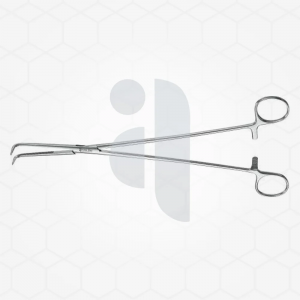

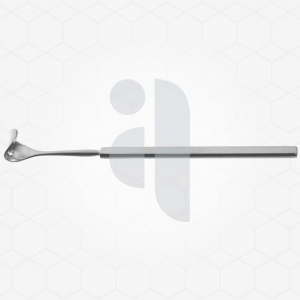
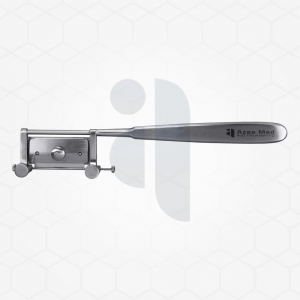

The Langenbeck periosteal elevator is a hand-held surgical instrument used to separate the periosteum—the fibrous tissue covering bones—from the underlying bone surface. It is widely used in orthopedic, dental, and maxillofacial procedures, prized for its precision, durability, and ergonomic design.
If you've ever watched a surgical team work with the kind of focus and precision that makes your jaw drop, you already know that every instrument on that tray has a purpose. Nothing is there by accident. Among the most trusted and time-tested tools in the operating room is the Langenbeck periosteal elevator—a slender, expertly crafted instrument that has been helping surgeons access and protect bone structures for generations.
Whether you're a surgical professional looking to deepen your understanding of your instruments, a procurement specialist sourcing high-quality tools, or simply someone curious about the mechanics of modern surgery, this guide covers everything you need to know. We'll explore how the Langenbeck periosteal elevator works, where it's used, what makes a great one, and how Azeemed Instruments delivers the precision and quality that surgical teams around the world rely on.

What Is a Langenbeck Periosteal Elevator?
The Langenbeck periosteal elevator is a hand-held surgical instrument designed to detach the periosteum—the dense layer of connective tissue that envelops bones—from the bone's surface. This process, called periosteal elevation, is a critical step in many surgical procedures. It allows surgeons to access the underlying bone without causing unnecessary trauma to surrounding soft tissue.
The instrument typically features a flat, slightly curved blade attached to a solid, ergonomically designed handle. The blade is thin enough to slide cleanly beneath the periosteum yet strong enough to apply controlled leverage without bending or slipping. It comes in several sizes and configurations to suit different anatomical sites and procedural demands.
Named after the renowned German surgeon Bernhard Rudolf Konrad von Langenbeck, this instrument reflects a legacy of surgical innovation. Its design has remained largely consistent over the decades—a testament to how well it was engineered from the start.
How the Brain Knife and Periosteal Elevator Work Together in Neurosurgical Settings
Neurosurgical procedures demand an exceptionally high standard of precision, and that's where specialized instruments like the brain knife and the Langenbeck periosteal elevator become essential teammates in the operating theater. The brain knife is a delicate, fine-bladed instrument used to make precise incisions in neural tissue, where even a millimeter of deviation can have significant consequences. Before a neurosurgeon can reach those deeper structures, though, the surrounding bone and tissue must be carefully managed—and that's exactly where the periosteal elevator steps in.
In cranial procedures, surgeons often use the Langenbeck periosteal elevator to gently detach the pericranium (the periosteum of the skull) before making bone incisions or performing craniotomies. This step protects the delicate soft tissue layers and ensures a cleaner, safer surgical site. The brain knife then takes center stage, offering the fine-tuned incision control that neurological surgery demands. Together, these instruments represent the kind of thoughtful, purpose-driven surgical toolkit that Azeemed Instruments is proud to supply.
Key Applications of the Langenbeck Periosteal Elevator
The versatility of the Langenbeck periosteal elevator is one of its greatest strengths. It sees regular use across several surgical specialties.
Orthopedic Surgery
In orthopedic procedures, surgeons rely on the Langenbeck periosteal elevator to expose bone surfaces before fracture repair, bone grafting, or joint reconstruction. Its ability to cleanly separate the periosteum without tearing or damaging it is critical for preserving the blood supply to the bone and supporting healthy healing post-operatively.
Oral and Maxillofacial Surgery
Dental and maxillofacial surgeons use periosteal elevators routinely—for tooth extractions, implant placements, jaw surgeries, and corrective osteotomies. The Langenbeck design is particularly favored for its narrow blade profile, which suits the tight anatomical spaces of the oral cavity.
Plastic and Reconstructive Surgery
Reconstructive procedures that involve bone repositioning or flap elevation also benefit from the precision of this instrument. Surgeons working on facial reconstruction or craniofacial corrections find the Langenbeck periosteal elevator indispensable for achieving clean, controlled tissue planes.
Spinal Surgery
Spinal surgeons use periosteal elevators to strip muscle and connective tissue from vertebral structures, providing clear access to the spine for decompression, fusion, or instrumentation procedures.
What Makes a High-Quality Langenbeck Periosteal Elevator?
Not all surgical instruments are created equal—and when it comes to tools that directly impact patient outcomes, quality is non-negotiable. Here's what sets a top-tier Langenbeck periosteal elevator apart from a substandard one.
Material and Durability
Premium periosteal elevators are crafted from high-grade stainless steel that resists corrosion, withstands repeated sterilization cycles, and maintains its structural integrity over years of clinical use. Inferior materials can flex under pressure, dull quickly, or develop surface imperfections that harbor bacteria.
Blade Geometry
The angle, thickness, and edge finish of the blade determine how smoothly and safely it separates the periosteum. A well-designed blade glides cleanly through tissue planes without tearing or creating unnecessary trauma. Precision machining is key here—this is not a component where tolerances can be loose.
Handle Design
Surgeons spend hours on their feet, making hundreds of micro-adjustments with their instruments. A handle that's ergonomically contoured, appropriately weighted, and textured for a confident grip makes a real difference in both comfort and control.
Sterilization Compatibility
Modern surgical instruments must be compatible with autoclaving and other hospital-grade sterilization methods. High-quality stainless steel construction ensures the instrument can be cleaned and sterilized without degradation.
Why Azeemed Instruments Is the Name Surgeons Trust
Azeemed Instruments is dedicated to providing high-quality surgical tools that meet the needs of professionals—and that commitment shows in every instrument they manufacture. From the initial design phase through precision machining and rigorous quality control, Azeemed Instruments holds its products to the highest standards in the industry.
Their range of periosteal elevators, including the Langenbeck periosteal elevator, is crafted from surgical-grade stainless steel and finished to exacting specifications. Each instrument undergoes thorough inspection before it leaves the facility, ensuring that what arrives in your surgical tray is ready to perform when it matters most.
Beyond quality, Azeemed Instruments understands the practical realities of clinical procurement. Their catalog is comprehensive, their customer service is responsive, and their pricing reflects a genuine commitment to making precision surgical instruments accessible to healthcare professionals worldwide. Whether you're outfitting a new surgical suite or restocking a busy hospital department, Azeemed Instruments has the tools—and the expertise—to support you.
Choosing the Right Periosteal Elevator for Your Procedure
Selecting the right instrument starts with understanding the procedure at hand. For oral and dental applications, a narrower blade with a more acute angle tends to work best. Orthopedic and spinal applications may call for a broader blade capable of covering more surface area efficiently. Neurosurgical use—particularly when working alongside instruments like the brain knife—requires the finest tolerances and the most precise blade profiles.
Azeemed Instruments offers a range of configurations to match these varied clinical demands. If you're unsure which variant best suits your specialty, their team of product specialists is available to help guide your selection based on your specific procedural requirements.
Caring for Your Langenbeck Periosteal Elevator
Proper instrument care extends service life and protects patient safety. After each use, the Langenbeck periosteal elevator should be thoroughly cleaned to remove biological debris before sterilization. Inspect the blade edge regularly for nicks or deformities—even minor surface imperfections can affect performance and create infection risks. Store instruments in a protective case or tray to prevent contact damage during transport and storage.
Azeemed Instruments recommends following your facility's standard instrument reprocessing protocols, which typically include enzymatic cleaning, ultrasonic processing, rinsing, drying, and autoclaving. Instruments that show signs of corrosion, pitting, or blade deformation should be retired from clinical use promptly.
Precision Is Not Optional—It's Everything
Surgical outcomes depend on a chain of decisions, skills, and tools—and a weak link anywhere in that chain can have consequences. The Langenbeck periosteal elevator has earned its place in operating rooms across the world because it delivers consistent, reliable performance in one of surgery's most delicate tasks: separating tissue from bone with minimal trauma and maximum control.