









Moles are common skin growths that vary in size, shape, and color. While many moles are harmless, some people choose to remove them for cosmetic reasons or because they become irritated by clothing, shaving, or daily activities. Traditionally, surgical excision has been the standard treatment for mole removal. However, advances in cosmetic dermatology have introduced several non-surgical alternatives that can effectively remove certain types of moles with minimal downtime.
If you are considering mole removal in Islamabad, understanding the available non-surgical options can help you make an informed decision. These modern treatments focus on improving appearance while minimizing discomfort, scarring, and recovery time.
Understanding Non-Surgical Mole Removal:
Non-surgical mole removal refers to procedures that eliminate or reduce moles without using traditional surgical cutting and stitches. These techniques are commonly recommended for benign moles that do not show signs of cancer or abnormal cell growth.
Before recommending any treatment, a dermatologist carefully evaluates the mole's characteristics. Factors such as size, location, depth, color, and medical history help determine whether a non-surgical procedure is appropriate.
Why Patients Prefer Non-Surgical Treatments:
The growing popularity of non-surgical mole removal is largely due to its convenience and cosmetic advantages. Many people prefer these methods because they offer effective results without the longer recovery associated with surgery.
Benefits often include:
- Minimal discomfort
- Faster healing
- Reduced risk of visible scars
- Short treatment sessions
- Little or no downtime
- Improved cosmetic outcomes
These advantages make non-surgical procedures particularly appealing for moles located on visible areas such as the face, neck, and hands.
Laser Mole Removal:
Laser mole removal is one of the most widely used non-surgical techniques. It uses concentrated beams of light energy to target and break down pigmented cells within the mole.
The laser selectively treats the mole while minimizing damage to surrounding skin. Over time, the treated tissue gradually fades or disappears as the body naturally removes the damaged cells.
Laser treatment is often suitable for:
- Flat moles
- Small pigmented moles
- Cosmetic mole correction
- Facial moles
Patients usually experience only mild redness after treatment, which typically subsides within a few days.
Radiofrequency Mole Removal:
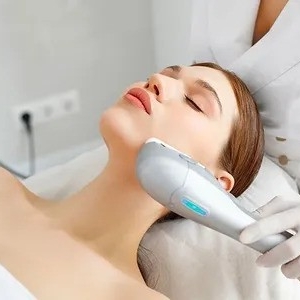
Radiofrequency technology has become a popular option for removing benign moles. This procedure uses high-frequency radio waves to generate controlled heat that precisely removes unwanted tissue.
Many specialists, including the Best dermatologist in islamabad, recommend radiofrequency treatment because of its accuracy and cosmetic benefits.
Advantages of radiofrequency mole removal include:
- Precise tissue removal
- Minimal bleeding
- Less damage to surrounding skin
- Quick recovery
- Reduced scarring risk
This method is often chosen for patients seeking smooth skin with minimal healing time.
Electrocautery Mole Removal:
Electrocautery is another effective non-surgical technique. It involves using a controlled electric current to generate heat, which removes the mole tissue layer by layer.
This method is commonly used for raised and superficial moles. The procedure is relatively quick and often completed in a single session.
At the Royal cosmetic surgery clinic, advanced technologies may be utilized to ensure safe and precise mole removal while maintaining the natural appearance of the surrounding skin.
Plasma Pen Technology:
Plasma pen treatment is a newer innovation in cosmetic dermatology. It uses ionized gas energy to create tiny micro-injuries on the skin's surface, causing targeted tissue removal.
Benefits of plasma technology include:
- Non-invasive treatment
- High precision
- Faster healing
- Minimal tissue trauma
- Improved skin appearance
While not suitable for every mole type, plasma technology can be an excellent option for carefully selected cases.
Cryotherapy for Mole Removal:
Cryotherapy uses extremely cold temperatures to freeze and destroy unwanted skin tissue. Liquid nitrogen is commonly applied directly to the mole, causing the cells to break down over time.
After treatment, the mole gradually shrinks and falls away as the skin heals.
Cryotherapy benefits include:
- Quick treatment sessions
- No surgical incision
- Minimal discomfort
- Fast recovery
However, cryotherapy is generally more suitable for superficial skin lesions and selected benign moles.
Chemical Mole Removal Treatments:
Some cosmetic clinics may use specialized chemical solutions to remove certain superficial skin growths. These treatments work by gradually breaking down the targeted tissue.
While chemical methods can be effective in specific situations, they are not appropriate for all mole types. Professional assessment is essential before considering this approach.
Who Is a Good Candidate for Non-Surgical Mole Removal?
Non-surgical procedures are most effective for carefully selected patients. A professional consultation helps determine the safest and most suitable treatment option.
Ideal candidates often include individuals who have:
- Benign moles
- Small or medium-sized lesions
- Cosmetic concerns
- Healthy skin
- Realistic expectations
Patients with suspicious or potentially cancerous moles may require surgical removal and biopsy testing instead.
What to Expect During Treatment:
Most non-surgical mole removal procedures are relatively straightforward and can often be completed during a single clinic visit.
The process generally includes:
- Consultation and mole assessment
- Skin cleansing
- Local anesthesia if necessary
- Mole removal using the selected technique
- Post-treatment care instructions
Many treatments take less than 30 minutes, depending on the size and complexity of the mole.
Recovery and Aftercare:
Recovery from non-surgical mole removal is usually faster than surgical excision. Most patients can return to normal activities immediately after treatment.
Common healing stages include:
- Mild redness
- Temporary swelling
- Small scab formation
- Gradual skin regeneration
Proper aftercare is important to achieve the best cosmetic results. Patients should avoid excessive sun exposure and follow all instructions provided by their dermatologist.
Are There Any Risks?
Although non-surgical mole removal is generally safe, some side effects may occur.
Possible risks include:
- Temporary redness
- Swelling
- Mild irritation
- Pigment changes
- Rare scarring
Choosing a qualified dermatologist significantly reduces the risk of complications and helps ensure optimal outcomes.
Can Moles Return After Non-Surgical Treatment?
In some cases, a mole may reappear if deeper pigment cells remain beneath the skin after treatment. This possibility varies depending on the mole's characteristics and the removal method used.
Regular follow-up appointments allow specialists to monitor results and determine whether additional treatment is necessary.
Choosing the Best Non-Surgical Option:
The most effective treatment depends on several factors, including the mole's size, depth, location, and appearance. A customized treatment plan ensures that the chosen procedure provides the safest and most aesthetically pleasing results.
Consulting an experienced dermatologist is essential because every mole requires individual evaluation. Professional assessment helps determine whether laser therapy, radiofrequency treatment, electrocautery, cryotherapy, or another method is the best choice.
Final Thoughts:
Non-surgical mole removal has become an increasingly popular solution for individuals seeking effective results without traditional surgery. Techniques such as laser treatment, radiofrequency therapy, electrocautery, plasma technology, and cryotherapy can remove selected benign moles with minimal downtime and excellent cosmetic outcomes. While these methods offer many advantages, professional evaluation remains crucial to ensure safety and effectiveness. By working with an experienced dermatologist, patients can achieve smoother, clearer skin while selecting the treatment that best suits their individual needs.