


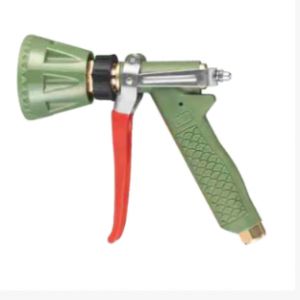




Material selection plays a critical role in the performance and durability of the Instantaneous Fire Coupling, especially when exposed to high pressure, corrosion, and frequent mechanical use.
Aluminum alloy is widely used due to its lightweight properties. It allows firefighters to handle long hose lines more easily, reducing fatigue during extended operations. Aluminum couplings are typically anodized or surface-treated to improve corrosion resistance.
Brass and gunmetal versions are preferred in environments exposed to seawater or chemically aggressive conditions. These materials offer superior resistance to corrosion and mechanical wear, making them suitable for marine firefighting systems and industrial plants.
Some advanced designs use stainless steel components, particularly in high-demand environments where durability is more important than weight. Stainless steel versions can handle similar working pressures, typically ranging from 5 to 16 bar, depending on design specifications.
The internal sealing components are usually made from rubber compounds such as NBR or EPDM, selected based on temperature resistance and fluid compatibility. These seals ensure leak-free operation even under fluctuating pressure conditions.
Surface finishing is also important. Polished or anodized coatings help reduce oxidation and extend service life. In addition, ribbed hose tails are designed to improve grip strength when securing hoses with clamps or wire bindings.
The Instantaneous Fire Coupling demonstrates how material engineering directly affects operational safety, durability, and performance in high-pressure water delivery systems.