


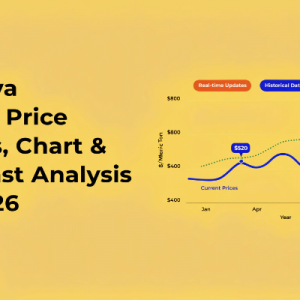





The global Iron Ore Price Index in 2026 is entering a more structured and stable phase, driven by evolving pricing mechanisms, strategic agreements between major mining companies and Chinese buyers, and improved long-term forecasts. After months of uncertainty and pricing disputes, the market is now showing signs of equilibrium—creating both opportunities and risks for buyers, traders, and procurement professionals.
For businesses relying on iron ore procurement, tracking the iron ore price trend is no longer optional—it is a critical strategy for cost optimization and competitive positioning.
Global Iron Ore Price Trend Overview (2026)
In the first half of 2026, the Iron Ore Price Index has remained relatively range-bound, fluctuating between $100 and $115 per metric ton. This stability reflects a balance between strong supply from major exporters and cautious demand recovery in key steel-producing regions.
Short-term price spikes have been observed due to economic stimulus measures and improved industrial activity in Asia. However, these gains are often offset by concerns around construction demand and oversupply in the global market.
From a procurement perspective, this range-bound movement signals a window of strategic buying, especially for companies looking to lock in medium-term contracts before the next price cycle begins.
New Pricing Model: A Turning Point for the Iron Ore Price Index:
One of the most significant developments shaping the Iron Ore Price Index in 2026 is the shift toward a multi-index pricing system. Leading mining companies have started aligning with Chinese-backed pricing benchmarks, marking a major transformation in global price discovery.
This move not only resolves past disputes but also introduces greater transparency and flexibility in contract pricing. Instead of relying on a single benchmark, the market now incorporates multiple indices, including portside and seaborne pricing models.
For buyers, this change means:
- More negotiation power in contracts
- Better alignment with regional demand-supply conditions
- Reduced risk of price manipulation or volatility spikes
This structural shift is expected to redefine how iron ore is priced globally over the next decade.
Iron Ore Price Index Analysis:
The current iron ore price index is being influenced by a mix of demand-side and supply-side dynamics.
On the demand side, China continues to dominate the market, accounting for the majority of global consumption. Any changes in Chinese infrastructure spending, steel production, or policy decisions have a direct impact on prices.
On the supply side, major exporters like Australia and Brazil are maintaining steady output levels. This consistent supply is preventing sharp price increases, even when demand shows signs of recovery.
Additionally, rising operational costs—especially fuel, logistics, and labor—are creating a natural price floor, ensuring that prices do not fall significantly below sustainable levels.
Overall, the market is currently in a balanced zone, but remains highly sensitive to macroeconomic signals.
Iron Ore Price Forecast (2026):
The outlook for the Iron Ore Price Index in 2026 has improved compared to previous expectations. Market analysts now anticipate a relatively stable pricing environment, with moderate upside potential.
Prices are expected to remain within the $90 to $120 per metric ton range, depending on global demand recovery and policy interventions.
Key forecast highlights include:
- Gradual recovery in steel demand as infrastructure projects gain momentum
- Controlled supply growth from major mining companies
- Continued influence of Chinese economic policies on global pricing
While the risk of volatility remains, the overall trend suggests a more predictable and manageable pricing cycle compared to previous years.
Regional Market Insights:
The global iron ore price index is heavily influenced by regional dynamics
- Asia (China-led): The primary demand driver, shaping global price direction
- Australia & Brazil: Stable supply hubs ensuring consistent global availability
- Europe: Moderate demand recovery driven by industrial activity
- India & Southeast Asia: Emerging demand centers contributing to incremental growth
This regional interplay creates opportunities for strategic sourcing and diversification for global buyers.
Key Factors Influencing Iron Ore Prices:
Understanding the drivers behind the iron ore price trend is essential for making informed decisions. The most critical factors include
- Steel Industry Demand
Iron ore demand is directly tied to steel production. Any slowdown in construction or manufacturing impacts prices immediately.
- Government Policies
Economic stimulus packages, environmental regulations, and trade policies—especially in China—play a major role in shaping demand.
- Supply Dynamics
Production levels from major mining companies and potential disruptions in logistics can influence global supply.
- Cost Pressures
Rising energy, freight, and operational costs are supporting price levels and preventing sharp declines.
Why Businesses Must Track the Iron Ore Price Index:
For procurement teams and commodity traders, the Iron Ore Price Index serves as a powerful decision-making tool. It helps businesses
- Plan procurement strategies more effectively
- Minimize cost fluctuations and financial risk
- Negotiate better supplier contracts
- Identify the right time to enter or exit the market
In today’s competitive environment, relying on outdated or static pricing data can lead to missed opportunities and higher costs.
Turn Market Data into Business Advantage:
Access to accurate and real-time iron ore price index insights can significantly improve your business outcomes. Companies that leverage detailed price analytics, historical trends, and forecast data are better positioned to outperform competitors.
? Get real-time Iron Ore Price Charts and Index Updates
? Access Historical Data and 2026 Price Forecast Reports
? Request Customized Procurement Intelligence for Your Business
Final Takeaway:
The Iron Ore Price Index 2026 reflects a market transitioning toward greater transparency, stability, and strategic pricing. With new benchmarking models, steady supply, and evolving demand patterns, the market is becoming more structured—but not less competitive.
For businesses looking to stay ahead, the key lies in data-driven decision-making. By closely monitoring the iron ore price trend and leveraging advanced market insights, you can transform price volatility into a strategic advantage.
Now is the time to act—because in commodity markets, timing is everything.