




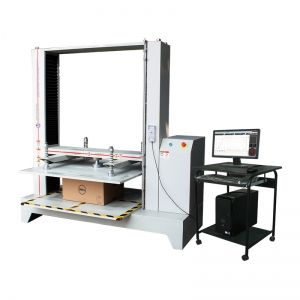



Imagine walking into a building that quietly tells engineers, “I’m under stress today” or a bridge that signals, “I need maintenance before something goes wrong.”
This isn’t science fiction anymore—it’s the emerging concept of self-aware infrastructure, and it’s set to redefine how civil engineering works in the coming decades.
What is Self-Aware Infrastructure?
Self-aware infrastructure refers to structures embedded with smart sensors, data systems, and adaptive technologies that allow them to:
- monitor their own condition
- detect structural weaknesses
- communicate performance data in real-time
- even predict failures before they happen
Instead of waiting for inspections, the structure becomes an active participant in its own maintenance.
Why Traditional Infrastructure is No Longer Enough
Civil engineering services has always focused on strength, durability, and safety. But there’s a gap:
- Damage is often detected too late
- Maintenance is reactive, not proactive
- Inspections depend heavily on human schedules
This leads to:
- higher repair costs
- unexpected failures
- safety risks
Self-aware systems aim to solve all of this.
How It Actually Works?
1. Embedded Sensor Networks
Tiny sensors are placed inside concrete, steel, and foundations to monitor:
- stress and strain
- temperature changes
- vibration patterns
- moisture levels
2. Real-Time Data Feedback
These sensors send continuous data to centralized systems where engineers can:
- track structural health live
- identify unusual behavior
- compare performance over time
3. Predictive Intelligence
Using AI and data models, systems can:
- forecast structural fatigue
- predict crack formation
- suggest maintenance before failure
This shifts engineering from “fixing problems” to “preventing them.”
A New Role for Civil Engineers
This evolution doesn’t replace engineers—it upgrades them.
Future civil engineers will:
- interpret real-time structural data
- design smarter, sensor-integrated buildings
- collaborate more with tech and data teams
It’s no longer just about building structures, but managing living systems.
Real-World Applications (Emerging Today)
- Smart bridges that detect load stress during heavy traffic
- High-rise buildings that monitor wind-induced movement
- Underground systems that track water seepage and soil shifts
While still developing, these ideas are already being tested in advanced infrastructure projects.
Challenges to Overcome
Let’s be realistic—this isn’t plug-and-play yet:
- Higher initial costs
- Complex data management
- Need for skilled interdisciplinary teams
- Integration with traditional construction methods
But like all innovations in civil engineering, adoption will grow as benefits outweigh costs.
Why This Matters for the Future
Urban populations are rising, infrastructure is aging, and climate conditions are becoming unpredictable.
Self-aware infrastructure offers:
- safer cities
- longer-lasting structures
- reduced maintenance costs
- smarter resource use
It’s not just innovation—it’s becoming a necessity.
Where Companies Like Engides Fit In
To make this vision practical, design coordination is everything.
Firms like Engides play a key role by integrating:
- structural design
- MEP systems
- BIM coordination
- smart infrastructure planning
This ensures that sensor systems, building services, and structural components all work together seamlessly—because a “smart building” only works if every discipline is aligned from the start.
Conclusion
Civil engineering is entering a phase where structures are no longer silent.
They will monitor, communicate, and adapt—changing how we design, maintain, and experience the built environment.
The question is no longer “How strong is this building?”
It’s becoming:
“How intelligently can this building respond to the world around it?”