







Commercial fire sprinkler pipe systems play a critical role in safeguarding buildings, assets, and human lives. In today’s rapidly growing commercial landscape, safety is no longer optional—it is a necessity embedded into every phase of construction and building management. A well-designed fire protection system relies heavily on the quality and performance of its piping network, making the commercial fire sprinkler pipe a cornerstone of fire safety engineering.
These pipes are specifically engineered to transport water or fire-suppressing agents efficiently during emergencies. They are commonly installed in office buildings, shopping malls, industrial facilities, hospitals, and high-rise structures. The increasing demand for fire safety compliance and strict building regulations has elevated the importance of reliable sprinkler piping systems.
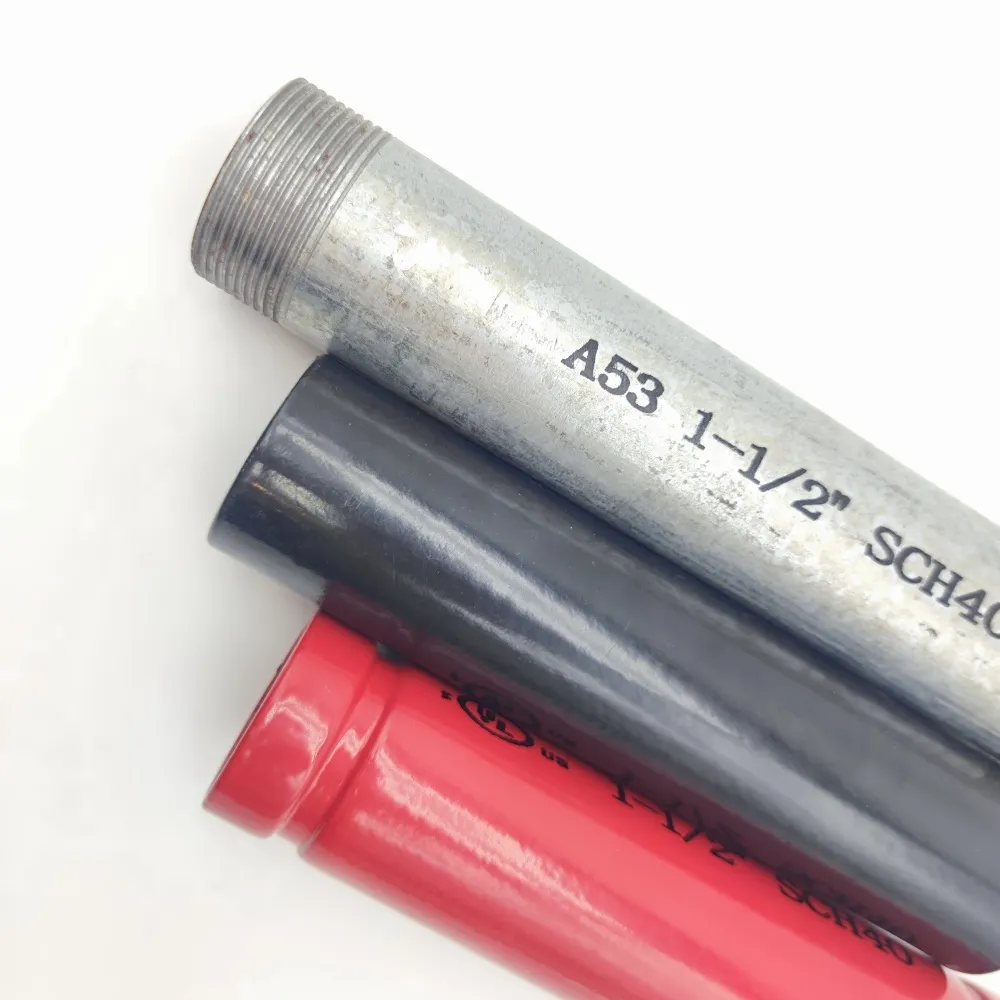
Commercial fire sprinkler pipes are typically made from materials such as steel, CPVC, or ductile iron, each chosen based on the building’s requirements and environmental conditions. Steel pipes, especially galvanized and black steel variants, are widely preferred due to their strength and durability. Meanwhile, CPVC pipes are gaining popularity for their corrosion resistance and ease of installation.
In modern infrastructure, these systems are integrated with advanced fire detection technologies, ensuring rapid response during fire outbreaks. The pipes serve as the delivery network, distributing water through sprinkler heads strategically placed throughout the building. This integration enhances fire suppression efficiency and minimizes damage.
Commercial Fire Sprinkler Pipe Materials and Performance Standards
The performance of a commercial fire sprinkler pipe largely depends on the material used and adherence to industry standards. High-quality materials ensure longevity, resistance to extreme conditions, and reliable operation during emergencies. Steel pipes, particularly those conforming to ASTM standards, offer excellent mechanical strength and are capable of withstanding high pressure and temperature fluctuations.
Corrosion resistance is another critical factor influencing material selection. In environments prone to moisture or chemical exposure, pipes must be coated or made from materials that prevent rust and degradation. Galvanized steel pipes, for instance, are coated with zinc to enhance their resistance to corrosion, making them suitable for long-term use in demanding conditions.
Plastic-based options like CPVC are also widely used due to their lightweight nature and resistance to scaling. These pipes are easier to install and require less maintenance, making them an attractive option for many commercial applications. However, they must meet strict fire safety certifications to ensure reliability.
Performance standards such as those set by NFPA (National Fire Protection Association) and UL (Underwriters Laboratories) play a vital role in ensuring the effectiveness of sprinkler systems. Compliance with these standards guarantees that the pipes can perform under extreme fire conditions, providing consistent water flow and pressure.
The durability and efficiency of a commercial fire sprinkler pipe system also depend on proper installation techniques. Professional installation ensures that the system functions as intended, reducing the risk of failure during critical moments. Regular inspections and maintenance further enhance system reliability.
Commercial Fire Sprinkler Pipe Installation and System Efficiency
The installation process of commercial fire sprinkler pipes is a highly specialized task that requires precision and expertise. Proper system design begins with a thorough assessment of the building layout, occupancy type, and potential fire hazards. Engineers carefully plan the pipe network to ensure optimal coverage and efficient water distribution.
During installation, pipes are connected using various methods such as threading, welding, or grooved couplings. Each method is selected based on the pipe material and system requirements. The goal is to create a secure and leak-free network capable of delivering water instantly when needed.
System efficiency is influenced by factors such as pipe diameter, water pressure, and flow rate. Larger pipes are used in main supply lines to ensure adequate water delivery, while smaller शाख lines distribute water to individual sprinkler heads. Maintaining the right balance between pressure and flow is essential for effective fire suppression.
Advanced systems also incorporate monitoring technologies that detect pressure changes and system faults. These features enable quick identification of issues, ensuring that the sprinkler system remains operational at all times. The integration of smart technologies is transforming traditional fire protection systems into intelligent safety solutions.
Regular testing and maintenance are crucial for maintaining system efficiency. Over time, pipes may accumulate debris or experience wear and tear, which can affect performance. Routine inspections help identify potential problems early, ensuring that the system remains in optimal condition.
Commercial Fire Sprinkler Pipe Market Trends and Future Developments
The commercial fire sprinkler pipe industry is evolving rapidly, driven by technological advancements and increasing safety awareness. Manufacturers are continuously developing innovative materials and designs to enhance system performance and reduce installation costs.
One notable trend is the growing adoption of environmentally friendly materials. Sustainable manufacturing practices and recyclable materials are becoming more common, aligning with global efforts to reduce environmental impact. This shift is particularly important in large-scale commercial projects where sustainability is a key consideration.
Another significant development is the integration of smart building technologies. Modern fire sprinkler systems are now connected to centralized control systems, allowing real-time monitoring and automated responses. These advancements improve response times and enhance overall building safety.
The demand for high-performance pipes is also increasing in regions with strict fire safety regulations. Governments and regulatory bodies are enforcing stringent standards, compelling builders to invest in reliable fire protection systems. This trend is expected to drive further innovation in the industry.
As urbanization continues to expand, the need for efficient fire safety solutions will only grow. Commercial fire sprinkler pipes will remain a fundamental component of these systems, ensuring the protection of lives and property in increasingly complex building environments.
Conclusion
commercial fire sprinkler pipe systems are an essential element of modern fire protection strategies. Their role in delivering water efficiently during emergencies makes them indispensable in commercial buildings. From material selection and installation to compliance with safety standards, every aspect of these systems contributes to their effectiveness. As technology advances and safety requirements become more stringent, the importance of high-quality sprinkler piping will continue to grow, reinforcing its position as a critical component in building safety and infrastructure development.