







Outdoor living spaces have become an essential part of modern homes, and choosing the right material for decking plays a major role in both appearance and durability. Among the most popular options today, composite decking has gained strong attention for its long-lasting performance, low maintenance requirements, and stylish finish. Homeowners who want a balance between natural beauty and modern engineering often compare composite decking with traditional wood decking to decide which option truly offers better value over time.
Is Composite Decking a Better Alternative to Traditional Wood Decking?
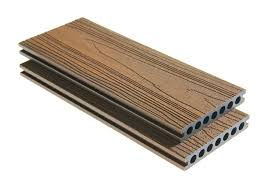
When comparing composite decking with traditional timber, the differences become clear in terms of durability, maintenance, and long-term performance. Composite decking is made from a blend of wood fibers and recycled plastic, commonly known as wood-plastic composite. This combination creates a material that looks like natural wood but performs significantly better under harsh weather conditions.
Unlike natural wood, which can crack, rot, or warp over time, composite decking boards are designed to resist moisture and insect damage. This makes them especially suitable for outdoor environments where rain, sunlight, and temperature changes are constant challenges. Many homeowners appreciate that composite decking does not require regular sanding, staining, or sealing, which is often necessary with wooden decks.
Another important advantage is fade resistance. High-quality composite decking retains its color for years, even when exposed to direct sunlight. Traditional wood decks, on the other hand, tend to lose their original tone and require frequent refinishing to maintain their appearance. This difference makes composite decking a more practical choice for people who prefer low maintenance decking without compromising on visual appeal.
Additionally, composite decking provides a smoother and splinter-free surface. This feature makes it safer for families with children or pets, as there is less risk of injury compared to aging wooden surfaces. The overall consistency in texture and finish also contributes to a more polished and modern outdoor design.
How Does Composite Decking Improve Outdoor Living Spaces?
Composite decking significantly enhances outdoor living spaces by combining functionality with aesthetic appeal. It is widely used for patios, garden areas, pool surroundings, balconies, and rooftop terraces, offering a clean and sophisticated look that blends well with different architectural styles.
One of the key benefits of composite decking is its ability to maintain structural stability in different weather conditions. Whether exposed to heavy rainfall or intense heat, composite decking boards are engineered to withstand expansion and contraction, reducing the risk of bending or cracking. This stability ensures that outdoor spaces remain visually appealing and safe throughout the year.
The design versatility of composite decking also contributes to its popularity. It is available in a wide range of colors, textures, and finishes that mimic natural wood grains while offering a more uniform appearance. This allows homeowners to create customized outdoor environments that match their personal style, whether they prefer a rustic, natural look or a sleek, modern finish.
Another major advantage is its slip-resistant surface, which makes it ideal for areas around swimming pools or spaces that frequently get wet. This safety feature adds practical value, especially in family homes where outdoor activities are common.
Composite decking also supports sustainable living practices. Since many products are made using recycled materials, it helps reduce the demand for freshly cut timber, contributing to environmental conservation. This eco-friendly aspect has made composite decking a preferred choice among environmentally conscious homeowners who want to reduce their carbon footprint without sacrificing quality.
Furthermore, the long lifespan of composite decking reduces the need for frequent replacement, which also minimizes long-term maintenance costs. Over time, this makes outdoor spaces more efficient and cost-effective while maintaining a premium appearance.
Is Composite Decking a Cost-Effective Long-Term Investment?
While the initial cost of composite decking may be higher than traditional wood decking, its long-term value makes it a more cost-effective investment. The reduced need for maintenance products such as sealants, paints, and stains significantly lowers ongoing expenses. Homeowners also save time and effort since composite decking requires minimal upkeep.
Durability plays a major role in its long-term affordability. Because composite decking is resistant to rot, insects, and weather damage, it does not need frequent repairs or replacements. This contrasts sharply with wooden decking, which often requires periodic maintenance to prevent deterioration. Over a span of several years, the savings on repair and maintenance can outweigh the initial installation cost.
Another financial advantage comes from its consistent appearance over time. Composite decking retains its original finish much longer than wood, which means homeowners do not need to invest in regular refinishing or repainting. This helps maintain property value while keeping outdoor spaces visually appealing.
In terms of installation, composite decking is also relatively straightforward when compared to more complex outdoor flooring systems. Professional decking installation ensures proper fitting and alignment, which further enhances durability and performance. Once installed, the structure remains stable with minimal intervention required.
For homeowners planning long-term property improvements, composite decking offers a strong return on investment. It enhances both the usability and aesthetic value of outdoor spaces while reducing ongoing maintenance responsibilities. This combination of practicality and beauty makes it a smart choice for modern living.
Conclusion
composite decking has become one of the most reliable and attractive solutions for outdoor flooring due to its strength, low maintenance requirements, and modern design appeal. Unlike traditional wood decking, it offers long-lasting durability, weather resistance, and a consistent finish that enhances outdoor living spaces for years.
With benefits such as fade resistance, moisture protection, and eco-friendly manufacturing, composite decking stands out as a practical choice for homeowners seeking both style and performance. Although the initial investment may be higher, its long-term savings and reduced maintenance needs make it a financially sound option.