

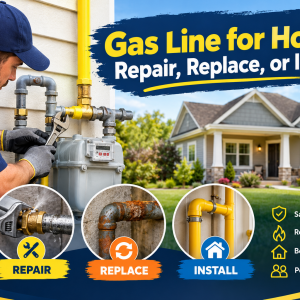


Underground Gas Pipes are essential for safely supplying natural gas to home appliances. Because these pipes are buried, issues can stay hidden until they create safety risks.
Homeowners in New Jersey should know how underground gas lines work and when to inspect or replace them. Even minor leaks or damage can cause gas exposure, property damage, or fire hazards. Professional installation and maintenance are essential for safety.
To help homeowners stay informed and prepared, this guide will walk through key risks, benefits, installation steps, and expert insights related to underground gas pipes.
Why Underground Gas Pipes Matter (Safety + Infrastructure Perspective)
Gas distribution systems are built for durability but remain susceptible to damage.
Key Industry Facts & Safety Insights
- According to the U.S. Pipeline and Hazardous Materials Safety Administration (PHMSA), thousands of gas leaks are reported annually across residential systems.
- Natural gas is highly flammable and odorized for detection, yet underground leaks may still go undetected.
- Aging infrastructure is a leading cause of residential gas line failures.
- Even minor leaks can create explosion risks and expose occupants to carbon monoxide.
Why This Is Critical for Homeowners
Unlike visible plumbing issues, underground gas pipe failures are concealed. Professional inspection and maintenance are therefore essential for:
- Home safety
- Code compliance
- Insurance requirements
- Long-term property protection
Key Benefits of Professional Underground Gas Pipe Services
- Maximum Safety & Risk Prevention
The primary benefit is reducing life-threatening risks such as:
- Gas leaks
- Fire hazards
- Carbon monoxide exposure
Professional installation ensures systems comply with safety codes.
- Compliance With Local & National Codes
Gas line work must follow:
- Local New Jersey building codes
- National Fuel Gas Code (NFPA 54)
- Utility provider regulations
Certified professionals ensure compliance, helping you avoid legal or insurance complications.
- Long-Term Durability & Performance
Modern underground gas pipes can last for decades when installed with quality materials such as:
- Polyethylene (PE) piping
- Steel piping with protective coatings
Proper installation minimizes corrosion and future repair expenses.
- Leak Detection & Early Prevention
Advanced tools like:
- Electronic gas detectors
- Pressure testing systems
- Soil inspection methods
These tools help detect leaks before they become hazardous.
- Cost Efficiency Over Time
Although installation requires an initial investment, it helps prevent costly emergencies such as:
- Emergency excavation
- Property restoration
- Appliance damage
How Underground Gas Pipe Installation Works (Step-by-Step)
Understanding the installation process enables homeowners to make informed decisions.
Professionals assess:
- Property layout
- Existing utility lines
- Soil conditions
- Gas load requirements
Step 2: Permit & Code Approval
Permits are obtained before installation to ensure compliance with safety standards.
A controlled trench is excavated to safely install the gas line while avoiding:
- Water lines
- Electrical cables
- Sewer systems
Step 4: Pipe Installation
Approved piping materials are installed, including:
- Proper sealing and fittings
- Corrosion-resistant protection layers
Step 5: Pressure Testing
The system is pressure tested for leaks to ensure safety.
Step 6: Final Inspection & Restoration
After final approval:
- The trench is filled.
- The surface is restored.
- The system is activated safely.
Real-World Scenarios: Why Expert Gas Line Work Matters
Scenario 1: Aging Gas Line Failure
A homeowner experienced inconsistent heating. Inspection revealed corroded underground gas pipes that, if left untreated, could have caused a major leak.
Scenario 2: Construction Damage
During landscaping, a contractor accidentally damaged a gas line. Prompt detection prevented a hazardous gas leak and potential fire.
Scenario 3: Appliance Upgrade Requirement
A family installing a new outdoor grill required a gas line extension. Professional installation ensured a safe, code-compliant setup.
Warning Signs of Underground Gas Pipe Issues
Be alert for the following indicators:
- Rotten egg smell (added odorant in gas)
- Hissing sounds near the soil or the walls
- Dead vegetation patches above buried lines
- Sudden increase in gas bills
- Dizziness or headaches indoors
If you notice any of these signs, request a professional inspection immediately.
How to Choose the Right Underground Gas Pipe Service Provider
✔ Licensed Gas Line Specialists
Select certified professionals with training in gas system installation.
✔ Proper Equipment & Safety Tools
Confirm they use:
- Leak detection instruments
- Pressure testing equipment
- Trench safety systems
✔ Emergency Response Availability
Gas issues require immediate action. Around-the-clock availability is a significant advantage.
(FAQ)
What are underground gas pipes made of?
Most modern systems use polyethylene (PE) or coated steel for durability and corrosion resistance.
How long do underground gas pipes last?
Typically, 30–50 years, depending on material quality and soil conditions.
Are underground gas leaks dangerous?
Yes. They can lead to fire hazards, explosions, and carbon monoxide exposure.
How do professionals detect underground gas leaks?
They use pressure testing, electronic sensors, and soil gas analysis.
Is it expensive to repair underground gas pipes?
Costs vary but typically range from $500 to $2,500, depending on the severity of the damage.
Conclusion
Underground gas pipes are essential for modern homes and require precise, expert installation and maintenance. Even minor errors can pose serious safety risks, underscoring the critical role of professional service.
Whether installing or repairing a gas line, working with experienced specialists ensures safety, compliance, and reliability.
Call to Action
Act now—if you notice signs of a gas line issue or need an installation, contact a professional immediately for prompt inspection and support. Your safety cannot wait.
Book your professional underground gas pipe inspection now to ensure maximum safety, code compliance, and peace of mind for your home.