


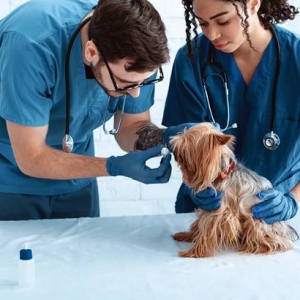




Dogs often hide signs of illness until the condition becomes more serious. This natural behavior makes it difficult for pet owners to recognize health issues in the early stages. Regular veterinary care plays an important role in identifying these hidden problems before they develop into serious medical conditions.
Visiting a professional Dog Clinic allows veterinarians to perform thorough examinations and monitor a dog’s health consistently. Early detection of diseases can significantly improve treatment outcomes and help maintain a dog’s long-term health and comfort.
Why Early Detection Is Important for Dogs
Many health conditions in dogs begin gradually and may not show clear symptoms initially. Without regular veterinary checkups, these problems may go unnoticed until they become severe.
Early detection helps:
-
Identify diseases before symptoms worsen
-
Allow timely medical treatment
-
Prevent complications
-
Improve the chances of successful recovery
Routine veterinary visits play a crucial role in maintaining a dog’s overall health.
Comprehensive Physical Examinations
Physical examinations are one of the primary methods veterinarians use to detect early signs of illness.
Body Condition and Weight Assessment
Veterinarians check a dog’s weight and body condition during routine visits. Sudden weight loss or weight gain can indicate underlying health problems such as metabolic disorders, digestive issues, or hormonal imbalances.
Maintaining a healthy weight is also essential for preventing joint and cardiovascular problems.
Skin and Coat Evaluation
The condition of a dog’s skin and coat can reveal important clues about its health. Veterinarians look for signs of parasites, allergies, infections, or nutritional deficiencies.
Early detection of skin issues helps prevent discomfort and more serious infections.
Diagnostic Testing for Internal Health
In many cases, diagnostic tests are necessary to detect internal health problems that cannot be identified through physical examination alone.
Blood Tests
Blood tests help evaluate organ function and detect infections or metabolic conditions. These tests provide valuable information about the health of the liver, kidneys, and immune system.
Routine blood screening can reveal abnormalities even before symptoms appear.
Urine and Fecal Testing
Urine tests help detect urinary tract infections, kidney issues, or metabolic disorders. Fecal tests are used to identify intestinal parasites that may affect digestion and overall health.
These diagnostic tests help veterinarians identify problems early and recommend appropriate treatment.
Monitoring Behavioral Changes
Changes in a dog’s behavior can sometimes indicate underlying health issues. Veterinarians often ask pet owners about any recent changes in appetite, energy levels, sleep patterns, or social behavior.
For example, a normally active dog that becomes lethargic or withdrawn may be experiencing pain or illness. By discussing these observations, veterinarians can investigate possible medical causes.
Dental Health Examinations
Dental problems are common in dogs and can lead to serious health complications if left untreated. During routine checkups, veterinarians examine the dog’s teeth and gums for plaque buildup, gum disease, or infections.
Untreated dental issues can cause pain, difficulty eating, and infections that may spread to other parts of the body. Early dental care helps prevent these complications.
Preventive Health Screenings for Aging Dogs
As dogs grow older, they become more vulnerable to certain diseases such as arthritis, heart conditions, and organ disorders. Regular veterinary visits allow professionals to monitor aging dogs closely.
Veterinarians may recommend additional diagnostic tests for senior dogs to detect age-related health conditions at an early stage.
Early detection allows for better management and improved quality of life for older pets.
Pet owners seeking professional veterinary support for early disease detection and preventive care can explore the comprehensive pet healthcare services offered by Vetic, where experienced veterinary professionals focus on protecting pet health through proactive medical care.
Conclusion
Early detection is one of the most effective ways to protect a dog’s health and prevent serious medical problems. Through regular checkups, diagnostic testing, and careful health monitoring, dog clinics play a vital role in identifying potential health issues before they become severe. By scheduling routine veterinary visits, pet owners can ensure their dogs receive timely care and maintain a healthy, active life.