



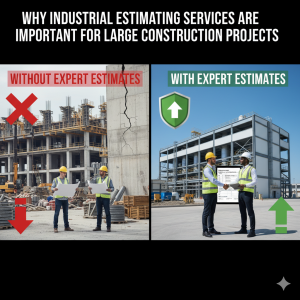





Construction projects rely on detailed planning, accurate budgeting, and effective coordination between various systems. Among the many components involved in modern construction, mechanical systems play a critical role in ensuring buildings function efficiently and comfortably. These systems include heating, ventilation, air conditioning (HVAC), piping, ductwork, and other mechanical installations that support building operations.Because mechanical systems are complex and often expensive, accurate mechanical estimating is essential for successful construction projects. Mechanical estimating helps contractors, developers, and project managers determine the costs associated with mechanical systems before construction begins. With precise estimates, project teams can plan budgets, allocate resources, and reduce financial risks.This article explores the role of mechanical estimating in successful construction projects and explains why accurate cost estimation is essential for modern building development.
What Is Mechanical Estimating?
Mechanical estimating is the process of calculating the total cost required to install mechanical systems in a construction project. These systems typically include heating, ventilation, air conditioning (HVAC), ductwork, piping, boilers, chillers, pumps, and other mechanical components.Mechanical estimators analyze architectural and engineering drawings to determine the materials, labor, equipment, and installation costs associated with these systems. Their goal is to produce an accurate cost projection that reflects the scope and complexity of the mechanical work involved.
A typical mechanical estimate includes.
- HVAC equipment costs
- Ductwork and piping materials
- Insulation materials
- Labor costs for installation
- Equipment rental or machinery expenses
- Testing and commissioning costs
These estimates provide a detailed breakdown of the mechanical systems required for the project.
Why Mechanical Estimating Is Important in Construction
Mechanical systems are essential for maintaining indoor comfort, air quality, and energy efficiency in buildings. However, they also represent a significant portion of construction costs, particularly in large commercial and industrial projects.Accurate mechanical estimating ensures that these systems are properly budgeted and planned before construction begins. Without reliable estimates, projects may face cost overruns, delays, or design complications during installation.By calculating mechanical system costs early in the planning stage, project teams can make informed decisions and avoid unexpected financial challenges.
Supporting Accurate Project Budgeting
One of the primary roles of mechanical estimating is supporting accurate project budgeting. Construction projects involve numerous expenses, and mechanical systems often account for a large share of the total budget.Mechanical estimators analyze project drawings and specifications to determine the exact materials and equipment needed for installation. This information allows project managers to allocate funds appropriately and develop realistic budgets.When mechanical costs are accurately estimated, project owners can avoid budget shortages and ensure that sufficient funding is available for all project phases.
Improving Cost Control During Construction
Cost control is a critical aspect of successful construction management. Mechanical estimating helps establish a financial framework that guides project spending throughout the construction process.Detailed estimates provide cost benchmarks that project managers can use to monitor expenses and track financial performance. If actual costs begin to exceed the estimated budget, corrective actions can be taken early to prevent further financial issues.This proactive approach to cost management helps ensure that construction projects remain within budget.
Supporting Competitive Bidding
In many construction projects, contractors compete for contracts through a bidding process. Mechanical contractors must submit bids that accurately reflect the cost of installing mechanical systems.Mechanical estimating provides the data needed to prepare these bids. When estimates are precise, contractors can submit competitive bids that balance affordability with profitability.Without accurate estimating, contractors risk underbidding and losing money or overbidding and losing the project altogether. Reliable mechanical estimating helps contractors remain competitive in the construction industry.
Enhancing Project Planning and Scheduling
Mechanical systems are typically installed during specific phases of construction. Proper planning and scheduling are required to ensure that mechanical installations align with other construction activities.Mechanical estimating provides information about material quantities, labor requirements, and installation timelines. Project managers can use this information to develop detailed construction schedules.Accurate scheduling helps coordinate the work of mechanical contractors with other trades such as electrical, plumbing, and structural teams. This coordination reduces delays and ensures that the project progresses smoothly.
Reducing Construction Risks
Construction projects often face risks related to cost fluctuations, design changes, and unexpected site conditions. Mechanical estimating helps reduce these risks by identifying potential challenges early in the planning stage.Estimators carefully review project drawings and specifications to identify complex installations, specialized equipment, and potential cost drivers. By recognizing these factors early, project teams can develop strategies to manage risks effectively.For example, contingency budgets can be included to address potential cost increases or design adjustments.
Improving Resource Allocation
Mechanical installations require skilled labor, specialized equipment, and precise material quantities. Efficient resource allocation is essential for completing these installations successfully.Mechanical estimating provides detailed information about the resources required for each aspect of the mechanical system. This allows project managers to plan workforce requirements, schedule equipment usage, and coordinate material deliveries.When resources are allocated effectively, construction teams can work more efficiently and reduce unnecessary delays.
Supporting Energy Efficiency and Sustainable Design
Modern construction projects often prioritize energy efficiency and environmental sustainability. Mechanical systems play a major role in achieving these goals, particularly through HVAC systems and energy management technologies.Mechanical estimating helps project teams evaluate the cost and benefits of energy-efficient systems. Estimators can compare different equipment options, analyze installation costs, and assess long-term operational savings.This analysis allows architects and engineers to select mechanical systems that balance performance, sustainability, and cost efficiency.
The Role of Technology in Mechanical Estimating
Advancements in technology have significantly improved the accuracy and efficiency of mechanical estimating. Today, estimators use specialized software to analyze construction drawings, calculate material quantities, and generate detailed cost reports.Digital tools allow estimators to measure ductwork lengths, piping systems, and equipment layouts directly from digital drawings. This reduces manual calculations and improves overall accuracy.In addition, modern estimating software allows project teams to update estimates quickly if design changes occur. This flexibility helps maintain accurate cost projections throughout the project lifecycle.
The Value of Professional Mechanical Estimating Services
Mechanical estimating requires specialized knowledge of HVAC systems, piping networks, and mechanical installation methods. Professional estimators understand industry standards, material costs, and labor requirements associated with mechanical systems.Many construction companies rely on specialized estimating firms to handle this complex task. Professional services provided by companies such as SMA MEP Estimate help contractors and developers obtain accurate cost projections for mechanical installations.By working with experienced estimators, construction teams can reduce errors, improve budgeting accuracy, and enhance overall project planning.
Long-Term Benefits for Construction Projects
The benefits of mechanical estimating extend beyond the planning phase of a single project. Accurate estimates contribute to better financial management, improved construction efficiency, and higher project success rates.Projects that are built on accurate cost projections are more likely to be completed on time and within budget. This improves client satisfaction and strengthens the reputation of construction companies.Over time, reliable estimating practices help construction firms build stronger relationships with clients, investors, and industry partners.
Conclusion
Mechanical estimating plays a crucial role in the success of modern construction projects. By providing accurate cost projections for HVAC systems, piping networks, and other mechanical installations, estimating helps project teams plan budgets, allocate resources, and manage construction risks effectively.From supporting competitive bidding and improving project scheduling to enhancing cost control and promoting energy-efficient design, mechanical estimating contributes to every stage of the construction process.As buildings become more technologically advanced and environmentally conscious, the importance of precise mechanical estimating will continue to grow. Construction teams that prioritize accurate estimating practices are better equipped to deliver successful, efficient, and high-quality projects.