



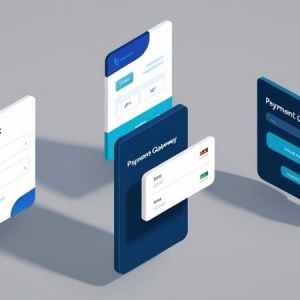





In an era where mobile technology defines customer interaction, businesses cannot afford to treat mobile applications as optional. A well-executed app can enhance user engagement, streamline operations, and open new revenue streams. However, achieving success in mobile app development requires more than coding skills—it demands a combination of strategic planning, user-centered design, robust architecture, and ongoing optimization.
The Strategic Value of Mobile Applications
Mobile applications are no longer just marketing tools; they are business assets that impact customer retention, brand perception, and operational efficiency.
Enhancing Customer Engagement
Mobile apps provide a direct channel to interact with customers through push notifications, personalized content, and loyalty programs. Unlike websites, apps live on users’ devices, offering constant access. For instance, retail brands leverage in-app offers and loyalty rewards to increase repeat purchases, demonstrating that well-designed apps are powerful tools for customer retention.
Streamlining Business Operations
Apps can also optimize internal processes. Field service teams, for example, use mobile apps to access job details, submit reports, and capture signatures in real time. Such digital workflows reduce errors, improve efficiency, and allow organizations to focus on growth initiatives rather than administrative tasks.
Planning Before You Build
A clear strategy is crucial to avoid wasted resources. Successful apps start with well-defined objectives and research.
Defining Your Business Goals
Before development, identify the primary purpose of your app. Are you aiming to drive sales, enhance user engagement, improve operational efficiency, or enter a new market? Each goal dictates different design and technology requirements.
Understanding Your Users
Research is essential to uncover user pain points, preferred features, and unmet needs. Surveys, interviews, and competitive analysis provide insights that guide feature prioritization. For example, fintech startups often simplify onboarding processes to attract users dissatisfied with traditional banking apps.
Designing for User Experience and Growth
A visually appealing app is insufficient if it fails to deliver a seamless experience. Design and architecture must support usability, performance, and scalability.
User-Centric Design Principles
Successful apps feature intuitive navigation, fast load times, minimal steps for key actions, and accessibility compliance. Ride-sharing platforms, for example, simplify booking flows—users input their location, select a ride, and confirm—reducing friction and maximizing conversions.
Scalable Architecture
Apps must be prepared to handle growth. Cloud-native architectures, microservices, and API-driven systems provide flexibility and scalability. Investing in scalable infrastructure from the start prevents costly rework as the user base expands.
Choosing the Right Development Approach
The development approach should align with goals, budget, and timeline.
Native vs. Cross-Platform
Native development offers optimal performance and access to device-specific features, ideal for complex apps such as high-performance gaming or fintech solutions. Cross-platform development enables faster delivery and lower costs using a shared codebase, suitable for businesses seeking rapid market entry without compromising quality.
Agile Development Methodology
Agile allows projects to progress in iterative sprints, incorporating feedback and reducing risk. Releasing a Minimum Viable Product (MVP) enables early validation, ensuring resources are focused on features users truly value.
Learning from Real-World Examples
Examining successful applications highlights best practices and potential pitfalls.
Healthcare Telemedicine Apps
Telemedicine apps gained prominence during health crises. Providers who emphasized secure video communication, HIPAA compliance, and easy scheduling saw high adoption. Conversely, apps that neglected performance and security faced user churn.
E-Commerce Apps
Retail apps integrating AI-driven recommendations, personalized notifications, and seamless payments experienced increased conversions. Poorly optimized apps, particularly during peak traffic, lost revenue due to slow load times or crashes.
Security and Compliance
Security is a critical component of mobile app success. Protecting sensitive user data and adhering to regulatory requirements builds trust.
Data Protection
Encryption of data in transit and at rest, multi-factor authentication, and role-based access controls are essential. These measures protect users’ financial and personal information from breaches.
Regulatory Compliance
Healthcare apps must comply with HIPAA, financial apps with PCI DSS, and global apps with regulations like GDPR. Ignoring compliance risks fines and reputational damage.
Post-Launch Optimization
Launching an app is the beginning of its lifecycle. Continuous monitoring and improvement ensure relevance and effectiveness.
Analytics and Performance Monitoring
Tracking user behavior, feature usage, drop-offs, and conversion rates helps identify areas for enhancement. If users abandon a checkout flow at a specific stage, design adjustments can improve conversion.
Continuous Updates
Frequent updates ensure compatibility with new operating systems and devices. Listening to user feedback and implementing improvements fosters loyalty and long-term success.
Choosing the Right Development Partner
Selecting the right partner can make or break an app project. Businesses often seek a top app development company in usa to ensure technical expertise, industry knowledge, and long-term support. Beyond reputation, evaluation should focus on experience, portfolio, communication, post-launch support, and security practices.
Long-Term Collaboration
Successful apps evolve over time. A strong partner provides maintenance, scalability, and integration of emerging technologies like AI or IoT, enabling innovation and adaptability.
Emerging Trends
Staying ahead of technological trends can provide a competitive edge.
Artificial Intelligence
AI-powered features, predictive analytics, and chatbots improve personalization and reduce operational load, enhancing the user experience while lowering support costs.
Progressive Web Apps (PWAs)
PWAs combine web and mobile benefits, offering offline capabilities, fast loading, and lower development costs. They are ideal for businesses seeking broad accessibility.
Integration with IoT and Wearables
Connected devices in healthcare, fitness, and logistics offer new data streams. Apps designed for IoT integration unlock service opportunities and operational insights.
Measuring ROI
Measuring the impact of an app ensures it contributes to strategic goals. Key metrics include customer acquisition cost (CAC), lifetime value (LTV), active users, retention, and revenue per user. Evaluating performance periodically allows continuous optimization and maximizes ROI.
Conclusion
Mobile applications are powerful tools that drive engagement, streamline operations, and create new revenue channels. Success requires strategy, user-focused design, scalable architecture, security, and continuous improvement. By carefully selecting a partner—often a top app development company in usa—and committing to ongoing optimization, businesses can transform mobile apps into strategic assets that deliver measurable growth and long-term competitive advantage.