









BMW has built a legacy as one of the world’s most admired automotive manufacturers, blending performance, luxury, and cutting-edge technology like few others. For anyone curious about the full journey of this iconic brand — from its early beginnings to its most celebrated vehicles and groundbreaking advancements — this BMW history models and innovation guide breaks it down comprehensively. In this article, we’ll explore BMW’s historical milestones, legendary BMW performance heritage, iconic BMW models, modern BMW engineering breakthroughs, and what sets BMW apart in terms of driving experience.
The Origins of BMW
BMW, short for Bayerische Motoren Werke AG, was founded in 1916 in Munich, Germany. Initially, BMW focused on producing aircraft engines — a role that highlighted precision engineering and reliability. When World War I ended, restrictions on aircraft production forced BMW to pivot toward other forms of transportation.
By the 1920s, BMW was building motorcycles and eventually entered the automobile market, laying the foundation for what would become a century-long legacy of innovation and driving excellence.
BMW’s Expansion Into Automobiles
BMW’s first car was the 3/15, introduced in 1929 after BMW acquired Fahrzeugfabrik Eisenach. This modest vehicle marked the beginning of BMW’s long history in automotive manufacturing. Although early cars were not yet performance icons, they set the stage for future breakthroughs.
The company’s focus on engineering precision quickly became a defining characteristic, and as BMW expanded its lineup, it began to earn a reputation for vehicles that combined everyday usability with sporty attributes.
BMW Performance Heritage
One of the factors that differentiates BMW from many other luxury brands is its deep commitment to performance — a tradition often referred to as BMW performance heritage.
In the 1960s, BMW made waves with the release of the New Class sedans, which offered spirited driving dynamics. But it was the launch of the BMW 2002 that truly captured attention. With its responsive handling and enthusiastic engine, the 2002 helped define BMW’s reputation as a maker of driver-focused cars.
This performance legacy continued with the introduction of the BMW M division, which would produce some of the most iconic high-performance models in automotive history.
The Birth of BMW M
In 1972, BMW established its high-performance M division (BMW Motorsport), initially to support racing activities. However, the division quickly transitioned its expertise to road cars. The first road-going M car, the BMW M1, was introduced in 1978. With its mid-engine layout and race-derived engineering, the M1 became an instant classic.
Over the years, M cars have expanded across BMW’s lineup, including legendary vehicles like the BMW M3, BMW M5, and more recent supercars such as the BMW M8 Competition. These models are celebrated for their high-revving engines, precision handling, and track-ready performance.
Iconic BMW Models Throughout the Decades
Throughout its history, BMW has produced many vehicles that have defined segments and delighted drivers around the world. Some of the most iconic include:
BMW 3 Series
The BMW 3 Series is arguably one of the most influential compact executive cars ever made. Launched in 1975, it has continued through generations as a benchmark for agility and driver engagement in its class. From the early E30 models to the modern G20, the 3 Series combines comfort, performance, and practicality.
BMW 5 Series
Introduced in 1972, the BMW 5 Series has long been a leader in the midsize luxury sedan category. It blends technology with refinement and remains a popular choice for executives and enthusiasts alike. Models like the BMW M5 have further elevated the series with incredible power and dynamic prowess.
BMW 7 Series
The 7 Series represents BMW’s flagship luxury sedan, offering cutting-edge technology, premium comfort, and powerful performance. Historically, this series has served as a showcase for BMW’s most advanced innovations in safety, connectivity, and engineering.
BMW X Series
BMW expanded into the SUV market with its X Series, which includes popular models like the BMW X3, BMW X5, and performance-oriented BMW X5 M. These vehicles combine BMW’s driving dynamics with the versatility of SUVs, appealing to drivers who want both performance and practicality.
Innovations That Shaped BMW
Innovation has always been at the core of BMW’s philosophy. Over decades, the company has introduced advancements that enhanced performance, efficiency, and driver experience. Some of these breakthroughs include:
Efficient Dynamics
BMW’s Efficient Dynamics program focuses on reducing emissions and improving fuel efficiency without sacrificing performance. Technologies such as automatic start/stop, brake energy regeneration, and optimized aerodynamics have helped BMW vehicles deliver more balanced performance.
TwinPower Turbo Technology
BMW’s TwinPower Turbo engines use advanced turbocharging to deliver higher power and torque while maintaining efficiency. This technology has been applied across various engine configurations, from four-cylinders to high-performance inline-six and V8 engines.
iDrive and ConnectedDrive
BMW’s iDrive system revolutionized in-car control interfaces by integrating entertainment, navigation, and communication into a central system. Over time, this has evolved into ConnectedDrive — a suite of services that includes real-time traffic, remote services, and advanced driver assistance systems.
BMW i and the Push Toward Electrification
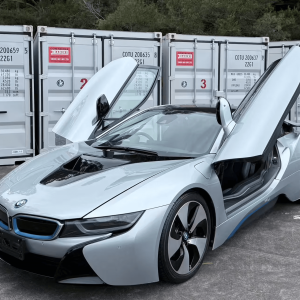
BMW’s electrification strategy began with the BMW i3 and BMW i8, vehicles that introduced sustainable driving solutions without compromising performance. The i3 was one of the first mainstream electric cars, while the i8 blended hybrid power with supercar-like dynamics. Today, BMW continues expanding its electric lineup with the iX and i4 models.
BMW’s Influence in Motorsports
BMW’s presence in motorsports has played a significant role in shaping its technological direction. Participation in touring car championships, endurance racing, and even Formula 1 at various points has helped BMW engineers refine performance technologies that trickle down to road cars.
Motorsport involvement has also strengthened brand loyalty and showcased BMW’s engineering prowess on the global stage.
What Sets BMW Apart
BMW’s success is not just defined by sales or speed figures; it stems from a clear philosophy: the joy of driving. Every BMW vehicle is engineered with a focus on dynamic performance, driver engagement, and technological excellence.
Whether it’s the thrill of a rear-wheel-drive layout, the punch of a turbocharged engine, or the seamless integration of cutting-edge technology, BMW strives to make every drive enjoyable. This commitment has earned it a passionate global following.
BMW’s Modern Era: Technology Meets Tradition
In recent years, BMW has continued to merge its rich heritage with tomorrow’s innovations. Advanced driver assistance systems, state-of-the-art infotainment features, and electrified powertrains highlight the brand’s ability to remain relevant in a rapidly evolving automotive world.
At the same time, BMW keeps its performance roots alive through vehicles like the latest M3, M4, and high-performance SUVs, proving that sportiness and luxury can coexist in modern automotive engineering.
The Global Impact of BMW
Today, BMW operates on a global scale, with production facilities and sales networks spanning continents. Its cars are prized not only for engineering excellence but also for their cultural influence. BMW vehicles appear in movies, motorsport events, and popular culture, reinforcing the brand’s presence around the world.
Conclusion
BMW’s journey from an aircraft engine maker to a global leader in performance and luxury automobiles is a remarkable story of innovation, ambition, and engineering mastery. Through iconic BMW performance heritage, groundbreaking technology, and a relentless focus on driving pleasure, BMW continues to define standards in the automotive world.
From the classic 3 Series to advanced electric models, BMW history, models, and innovation illustrate a brand that respects its heritage while constantly shaping the future of driving. If you are passionate about performance, design, and automotive evolution, understanding BMW’s legacy offers insights into what makes the brand one of the most respected names in the world of cars.