









Tooth removal, also known as tooth extraction, can play an essential role in orthodontic treatment. It is often recommended when a patient’s mouth does not have enough space to align teeth properly. This procedure can help create the necessary room for teeth to move into the correct position, ensuring a healthier and more balanced smile. Understanding why tooth removal is necessary, how it is performed, and what to expect can make the orthodontic journey smoother.
Why Tooth Removal May Be Needed
Tooth Removal Dubai for orthodontic purposes is usually considered when overcrowding occurs. Overcrowding can prevent teeth from aligning correctly, causing bite issues and making oral hygiene more challenging. Extraction may also be suggested if certain teeth are misaligned in a way that interferes with the overall treatment plan. Creating space allows braces or aligners to work effectively, promoting proper jaw alignment and improving the smile's overall appearance.
Types of Teeth Commonly Removed
Orthodontic treatment may involve the removal of different types of teeth depending on individual needs.
Premolars
Premolars are often selected for removal because they are located between the front teeth and molars. Removing premolars provides significant space to move other teeth into alignment without affecting the appearance of the front teeth.
Wisdom Teeth
Wisdom teeth may also be removed if they interfere with orthodontic treatment or have the potential to cause crowding in the future. Their removal is often planned in advance to ensure sufficient room for proper alignment of existing teeth.
The Tooth Removal Procedure
Tooth removal for orthodontic purposes is typically performed in a controlled and careful manner. The process usually begins with an assessment to determine which teeth should be removed. Imaging, such as X-rays, is used to understand the tooth’s position and root structure.
Local Anesthesia
Local anesthesia is applied to ensure the procedure is comfortable and pain-free. The patient remains awake, but the area around the tooth is numbed to prevent discomfort.
Extraction Process
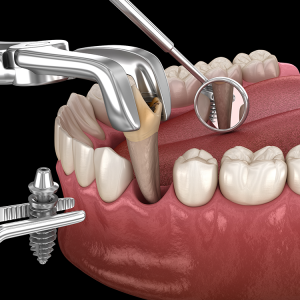
Once anesthesia is effective, the tooth is gently loosened using specialized instruments. After loosening, the tooth is carefully removed from the socket. In some cases, teeth may need to be sectioned into smaller parts to facilitate removal.
Immediate Care
Following extraction, the socket may be cleaned and packed with gauze to control bleeding. Patients are usually given instructions to help the area begin healing properly.
Recovery and Healing
Recovery from tooth removal is an important part of orthodontic treatment. The extraction site typically begins healing within a few days. Soft tissue closes gradually, and the surrounding gum and bone adapt to the new space created.
Managing Discomfort
Mild discomfort is common after extraction, and it can be managed with rest and gentle care. Cold compresses can help reduce swelling, and following recommended care instructions ensures the area remains healthy.
Eating and Oral Hygiene
Patients are often advised to maintain a soft diet initially and avoid placing pressure on the extraction site. Oral hygiene practices such as gentle rinsing and careful brushing around the area support healing and prevent irritation.
Integration with Orthodontic Treatment
Tooth removal is usually planned as part of the overall orthodontic strategy. Once the space is created, braces, aligners, or other devices guide the remaining teeth into their correct positions. This coordinated approach ensures the teeth move efficiently and results in a straight, well-aligned smile.
Timing Considerations
Timing of extraction is critical. Removing teeth too early or too late can affect the treatment timeline. Orthodontists carefully schedule extractions to optimize movement and reduce treatment duration.
Monitoring Progress
After removal, regular check-ups monitor healing and ensure that teeth are moving as planned. Adjustments to braces or aligners may be made to take advantage of the newly created space.
FAQs
Why is tooth removal sometimes necessary for braces?
Tooth removal helps create space in a crowded mouth. Without extraction, teeth may not align properly, and orthodontic devices may be less effective.
Will removing teeth affect the appearance of my smile?
Extractions are carefully planned to maintain a natural and balanced smile. Premolars are commonly removed because their absence does not significantly impact front teeth aesthetics.
Is tooth removal painful?
Local anesthesia ensures that the procedure is comfortable. Mild discomfort may occur afterward, but it is manageable with standard care measures.
How long does it take to heal after extraction?
Initial healing typically occurs within a few days, while complete recovery of soft tissue and gum may take a few weeks. Orthodontic treatment continues during this time under professional guidance.
Can orthodontic treatment proceed immediately after extraction?
Yes, treatment usually continues shortly after extraction once initial healing is sufficient. The timing is planned to optimize movement and achieve the best results.
Benefits of Tooth Removal in Orthodontics
Tooth removal allows for more efficient movement of teeth, improving alignment and bite. It can prevent long-term issues caused by overcrowding and supports a healthy oral environment. By creating proper space, extractions contribute to smoother and faster orthodontic treatment, ultimately leading to a more confident and functional smile.
Tooth Removal in Dubai is a strategic and often necessary step in orthodontic treatment. With careful planning and professional guidance, it facilitates proper tooth alignment, supports a balanced bite, and contributes to a successful treatment outcome. Proper understanding of the procedure, recovery, and integration with braces or aligners helps patients approach the process with confidence and clarity.