



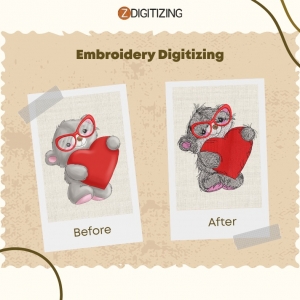
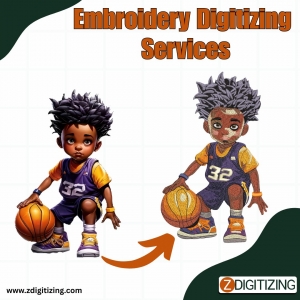
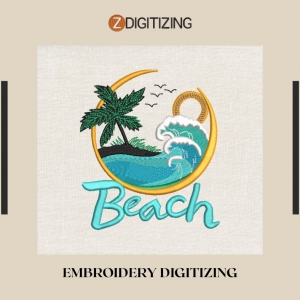

Custom embroidery is more than just sewing a design onto fabric it’s a combination of creativity, skill, and technology. To translate a design into embroidery accurately, professional embroidery digitizing services are essential.
Digitizing is the process of converting artwork, logos, or text into a digital file that an embroidery machine can read and stitch. Without proper digitization, even high-quality designs may not translate well into thread.
Whether you are a business producing branded merchandise or an individual creating personalized items, professional digitizing services ensure that designs are executed with accuracy, clarity, and consistency.
Why Embroidery Digitizing is Important
While embroidery may appear simple, the process involves careful planning. Machines need specific instructions about stitching type, stitch direction, density, and sequence. Proper digitizing ensures:
- Accurate representation: Every detail of the design, including colors and shapes, is preserved.
- Durability: Reduces thread breaks, fabric puckering, and distortion.
- Efficiency: Machines stitch designs faster and more reliably when digitized correctly.
- Flexibility: Designs can be scaled or adapted to different fabrics and products without losing quality.
Professional digitizing also considers fabric type, thread quality, and design complexity to achieve consistent results across multiple items.
Features of Professional Digitizing Services
A professional digitizing service goes beyond converting an image into stitches. Key features include:
- Customized stitch techniques: Different stitches such as satin, fill, or running stitches are chosen based on design and fabric.
- Optimized stitch density: Prevents stiff or puckered embroidery.
- Layer management: Complex designs are organized for smooth stitching.
- Color sequencing: Thread colors match the original design for visual accuracy.
- Machine compatibility: Designs are delivered in formats like DST, PES, EXP, or JEF.
Applications of Digitized Embroidery
Digitized embroidery is used across a variety of industries and products, such as:
- Business branding: Logos on uniforms, hats, and promotional items.
- Apparel and fashion: Custom designs on shirts, jackets, and other garments.
- Home textiles: Towels, cushions, and blankets with personalized designs.
- Sportswear: Team logos and player names on jerseys.
- Gifts and merchandise: Monogrammed items or products for events.
This wide application makes digitizing essential for anyone seeking professional and consistent embroidery results.
Benefits of Using Professional Services
While DIY digitizing software exists, outsourcing to professionals offers advantages:
- High-quality results: Experienced digitizers create clean, precise designs.
- Time efficiency: Saves hours of learning and troubleshooting software.
- Scalable solutions: Handles large or complex orders effectively.
- Design guidance: Experts can recommend adjustments to ensure optimal stitching.
Professional services not only deliver reliable results but also reduce the risk of errors that can ruin materials or delay production.
How to Choose the Right Service
Selecting a trustworthy embroidery digitizing service is key to achieving quality results. Consider:
- Experience and portfolio: Review past work and client testimonials.
- Attention to detail: Ensure designs are optimized for stitching quality and fabric type.
- Support and communication: A responsive team can make file adjustments as needed.
- Turnaround time: Confirm the service can meet deadlines, especially for bulk orders.
- Fair pricing: Look for reasonable rates without compromising quality.
FAQs About Embroidery Digitizing Services
- What is embroidery digitizing, and why is it important?
Embroidery digitizing is the process of converting designs into digital files for embroidery machines. It ensures that designs are accurately stitched, durable, and visually consistent.
- Can any design be digitized for embroidery?
Most designs can be digitized, but complex or highly detailed artwork may require adjustments for optimal stitching. A professional digitizer can advise on these modifications.
- How long does the digitizing process take?
The timeline depends on the complexity of the design. Simple logos can take a few hours, while intricate or multi-layered designs may take longer.
- Are digitized embroidery designs compatible with all machines?
Professional digitizers provide files in multiple formats compatible with most commercial and home embroidery machines, ensuring flexibility for production.
Conclusion
Embroidery digitizing services provide the technical expertise needed to transform artwork into high-quality stitched designs. By leveraging professional digitizing, businesses and individuals can achieve consistent, durable, and visually accurate embroidery on a variety of products.
Investing in professional digitizing with ZDigitizing ensures that designs are not only executed precisely but also produced efficiently, making it an essential step for anyone serious about custom embroidery.