

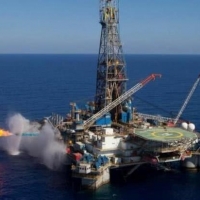




Associated gas recovery at sea is rapidly evolving from a peripheral environmental obligation into a strategic imperative for offshore oil and gas operators worldwide. Traditionally, associated gas — the gas that comes out of the reservoir along with crude oil — has been routinely flared or vented, especially in offshore production environments where infrastructure constraints make utilization difficult. However, shifting regulatory landscapes and growing global emphasis on methane reduction are reshaping how the industry approaches this “waste” gas.
With mounting scrutiny on methane emissions and short-lived climate pollutants like black carbon, associated gas is no longer simply an environmental concern — it is increasingly a commercial and compliance requirement. Companies that fail to adopt robust associated gas recovery strategies risk fines, market access barriers, and lost opportunities to unlock economic value from gas-to-energy applications such as mini-LNG, compressed natural gas (CNG), and gas-to-power systems.
Regulatory Shifts Driving Offshore Gas Recovery
World Bank Zero Routine Flaring by 2030 Initiative
One of the most significant drivers of change is the World Bank’s Zero Routine Flaring by 2030 (ZRF) initiative. Launched to eliminate non-emergency flaring in oil and gas operations globally, ZRF has become a benchmark for international investors and project financiers, influencing corporate ESG frameworks and asset valuations.
Methane Regulations in Europe and North America
Regulatory frameworks in major markets are tightening rapidly:
- European Union Methane Regulation (EU/2024/1787) mandates comprehensive methane measurement, reporting, and verification (MRV) requirements across the energy supply chain, including offshore operations.
- United States EPA Methane and VOC Control Rules now extend methane and volatile organic compound (VOC) standards to both new and existing facilities, requiring Leak Detection and Repair (LDAR), equipment sealing, and emissions reporting.
These changes mark a paradigmatic shift from voluntary commitments to legally enforceable performance standards — a trend that is reshaping decision-making throughout the offshore industry.
From Optional to Essential: How Compliance Is Evolving
One of the most critical developments is the transition of MRV from optional best practice to mandatory compliance standard. Under new regulations, verification of gas emissions and recovery performance is required for continued market access and project finance eligibility. Methane, a potent greenhouse gas with a global warming potential significantly higher than carbon dioxide over short timeframes, makes accurate monitoring essential for credible emission reduction claims.
For offshore associated gas recovery projects, MRV not only ensures regulatory compliance but also provides the data foundation needed for green financing, carbon credits, and investment evaluation. As a result, operators are increasingly deploying real-time monitoring systems and modular sensor networks to capture and validate emission data.
Cross-Regulatory Influences: The Role of Maritime Emission Standards
Although the International Maritime Organization (IMO) primarily regulates vessel emissions under frameworks like MARPOL Annex VI and Emission Control Areas (ECAs), its policies increasingly influence offshore platform operations due to the interaction between platform energy systems and related vessel fleets. Compliance with stricter black carbon, NOx, and sulfur standards compels platforms to reduce flaring and recover more associated gas for cleaner energy use.
This cross-regulatory effect underlines how offshore oil and gas emissions are subject not only to terrestrial policy frameworks but also to maritime climate regulation, creating a multi-layered compliance environment that operators must navigate.
Technology Pathways and Operational Options
To meet evolving regulatory and commercial requirements, offshore operators are increasingly adopting diverse associated gas recovery solutions:
- Flare Gas Recovery (FGR): Compression systems can capture flare gas for reinjection, gas-to-power use, or processing into mini-LNG or CNG, often achieving recovery rates of 70–95% under varying operational conditions.
- Mini-LNG / Micro-LNG: Modular liquefaction units enable offshore facilities without pipeline access to convert associated gas into marketable LNG.
- Gas-to-Power Systems: Where volumes are not sufficient for liquefaction, captured gas can power platform operations, reducing reliance on imported fuels and lowering emissions.
- Advanced MRV & LDAR Tools: Optical gas imaging, differential absorption spectroscopy, and networked sensor systems allow for continuous emissions monitoring and compliance validation.
These technical pathways not only support compliance with EU and US gas flaring bans but also open opportunities for revenue through energy recovery and export.
Strategic Roadmap for Offshore Operators
To successfully integrate associated gas recovery into offshore operations, companies should adopt a structured approach:
- Build Cross-Functional Compliance Teams: Integrate operations, engineering, environmental, legal, and financial expertise to align regulatory requirements with technical solutions.
- Establish Emission Measurement Protocols: Collect comprehensive venting, flaring, and leakage data to support risk assessment and compliance monitoring.
- Develop Flare Reduction Plans (FRPs): Formalize step-by-step strategies that prioritize LDAR and modular recovery systems before scaling to liquefaction or reinjection.
- Deploy Pilot Systems for Validation: Modular installations allow operators to test recovery performance at scale while verifying MRV systems.
Align with Financing and Market Access Requirements: Verified emission reductions and gas recovery data can unlock green financing, carbon markets, and international investment.
Conclusion
The global outlook for associated gas recovery at sea reflects a decisive shift from tolerating emissions to demanding measurable reductions and transparency. What was once an optional environmental enhancement is now a strategic imperative attuned to compliance, financeability, and value creation. Through targeted technology deployment, strong compliance frameworks, and data-driven decision-making, offshore operators can transform regulatory obligations into sustainable competitive advantages.