


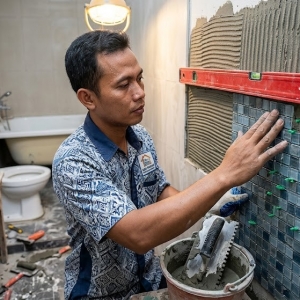





Selecting the right flooring material for your home is a significant decision that impacts both the functionality and aesthetics of your living spaces. With so many options available, it can be challenging to determine which material best suits your needs. Ceramic flooring emerges as a standout choice, offering a combination of practicality, versatility, and durability that makes it a popular option for many homeowners. Whether you're browsing a ceramic tile shop or consulting with a contractor, understanding the benefits of ceramic flooring can guide you toward the perfect solution.
Durability and Hard-Wearing Nature
Ceramic tiles are renowned for their exceptional durability, thanks to the high-temperature firing process that makes them dense and tough. This hardness allows them to resist scratches and dents more effectively than softer materials like wood or laminate. In busy households with children, pets, or high foot traffic, ceramic floors maintain their appearance longer. Porcelain, a type of ceramic, is even denser and better suited for flooring applications. If you're looking for a surface that can handle daily wear and tear without constant repair, ceramic flooring is a practical and reliable choice.
Water Resistance and Suitability for Wet Areas
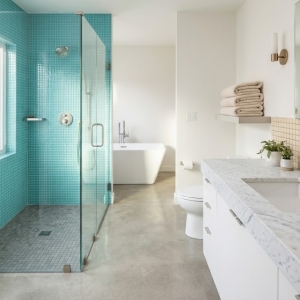
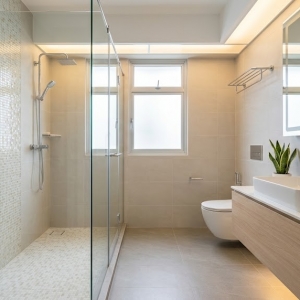
One of the key advantages of ceramic flooring is its water resistance. Unlike wood or many laminates, ceramic tiles do not swell or warp when exposed to moisture. This makes them ideal for areas prone to water, such as kitchens, bathrooms, laundry rooms, and entryways. While vinyl flooring also offers water resistance, ceramic tiles handle heat and hot spills better and are less likely to be gouged by heavy appliances. In humid climates, ceramic flooring is a safer long-term option, as it does not require the special sealing and maintenance that natural stone does.
Low Maintenance and Easy Cleaning
Ceramic floors are known for their ease of maintenance. A simple sweep and mop are usually sufficient to keep them clean. Stains rarely penetrate glazed ceramic tiles, making them easy to wipe clean with mild detergents. This is a significant advantage over natural stone, which requires regular sealing and specialized cleaners, and carpet, which can trap dust and stains and necessitate deep cleaning. Ceramic flooring offers a low-maintenance solution that reduces the need for special treatments and ongoing upkeep.
Aesthetic Versatility
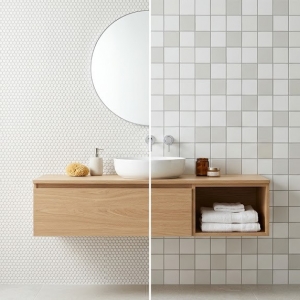
Modern ceramic tiles offer an incredible range of looks and finishes, allowing you to achieve the desired aesthetic without the drawbacks of the original materials. Whether you're aiming for a wood-like appearance, a marble aesthetic, or even a fabric-like texture, ceramic tiles can replicate these looks convincingly. With a variety of tile sizes and shapes available, you can create unique patterns and moods that suit your design preferences. Visiting a ceramic tile shop will give you the opportunity to see full-size samples and observe how different finishes appear in natural light.
Cost-Effectiveness and Long-Term Value
While the initial cost of ceramic flooring may vary, its long lifespan often makes it a cost-effective choice. Inexpensive alternatives like laminate or vinyl might seem cheaper upfront, but ceramic flooring's durability means it can last for decades with minimal maintenance. This longevity translates to a lower cost-per-year compared to floors that require frequent replacement or refinishing. Investing in ceramic flooring is a smart decision that pays off over time.
Compatibility with Underfloor Heating
Ceramic tiles are excellent conductors of heat, making them a perfect match for underfloor heating systems. They distribute heat evenly and retain temperature well, enhancing both comfort and energy efficiency. While wood can also be used with underfloor heating, it requires careful installation to account for expansion and contraction. If you're considering radiant heat, ceramic flooring is one of the safest and most efficient options.
Hygienic and Allergy-Friendly
Ceramic flooring is a hygienic choice, as it does not trap dust, pollen, or pet dander like carpet does. For individuals with allergies, a hard, non-porous surface is easier to keep allergen-free with regular cleaning. Proper installation with high-quality grout and sealing practices ensures resistance to mold, which is particularly important in humid environments.
Fire Resistance and Safety
Ceramic tiles are non-combustible and do not emit toxic fumes when exposed to fire. This makes them a safer choice compared to many synthetic flooring materials and carpets. In areas like kitchens and near fireplaces, or where building codes mandate fire-rated materials, ceramic flooring is a reliable option.
Design Flexibility and Resale Value
Ceramic flooring's versatility extends to its design options. With a wide range of styles available, you can find tiles that complement both traditional and contemporary interiors. Neutral, high-quality tiles often appeal to a broader audience, making them a wise choice for resale purposes. A well-installed ceramic floor can enhance your home's resale value by signaling durability and low maintenance to potential buyers.
Practical Considerations
While ceramic flooring offers numerous benefits, it's important to consider its limitations. The material can feel hard underfoot, which may be uncomfortable in areas where you stand for extended periods, such as kitchens. Area rugs can help mitigate this issue. Without underfloor heating, ceramic floors can feel cold. Installation requires a level substrate and careful work to avoid issues like lippage or cracking. Ceramic tiles are also susceptible to breakage under heavy impact, and replacing individual tiles can be more challenging than patching vinyl. Weighing these factors will help you make a balanced decision.
Comparing Ceramic to Other Materials
-
Hardwood: While hardwood offers a warmer, more premium feel, it is prone to scratches, dents, and moisture damage. Ceramic tiles mimic the look of wood without these drawbacks.
-
Vinyl/LVT: Vinyl is softer, cheaper, and easier to install as a DIY project. However, it is less durable long-term and can be gouged more easily. Ceramic tiles offer superior heat resistance and longevity.
-
Natural Stone: Natural stone has a unique character but requires sealing and more maintenance. Ceramic tiles provide a consistent appearance with lower upkeep while replicating many stone looks.
-
Concrete: Concrete is durable and modern but can crack and stain, requiring polishing or sealing. Ceramic tiles offer similar aesthetics with easier installation in most homes.
-
Carpet: Carpet is warm and quiet but traps allergens and stains. Ceramic flooring is much easier to clean and better suited for high-traffic areas.
Practical Tips for Choosing Tiles
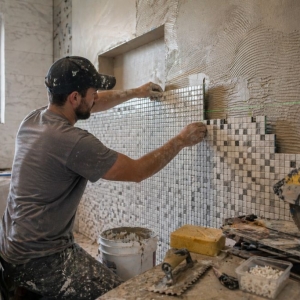
When visiting a ceramic tile shop, consider factors such as the PEI rating for wear resistance, slip resistance for wet areas, and water absorption values for moisture-prone rooms. Rectified tiles offer tighter grout lines, and larger formats can reduce the appearance of joints. Discuss recommended adhesives and grout with the shop staff. Proper installation is as crucial as the quality of the tiles themselves.
Conclusion
Ceramic flooring combines performance with design flexibility, offering water resistance, durability, and a wide range of aesthetic options. While it may not be as soft as carpet or as warm as wood, ceramic flooring outperforms many materials in terms of longevity, maintenance, and versatility. If you're seeking a floor that remains attractive with minimal effort, start your search at a ceramic tile shop and compare samples in your own light. The right tile, installed correctly, will provide a durable and stylish foundation for years to come.